
WORLD’S TOUGHEST ROW 2027
Rowing the Atlantic SOLO
Guy’s CHAllenge: Rowing SOLO 3,000 ACROSS THE Atlantic
Hi there! I’m Guy Dresser. And I’m rowing the Atlantic, solo and unsupported. I really need YOUR HELP to reach the start line. Please do get on board with me…
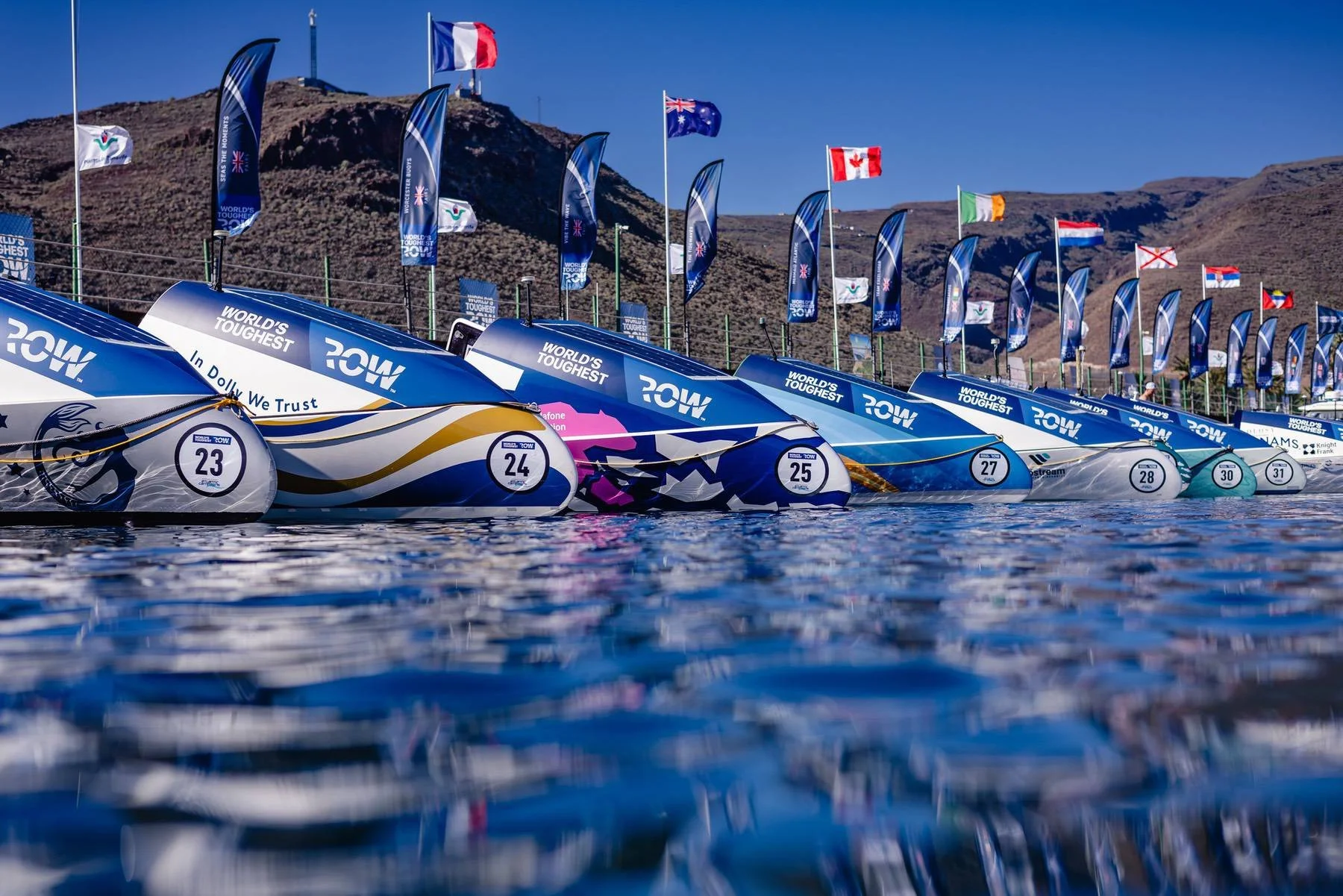
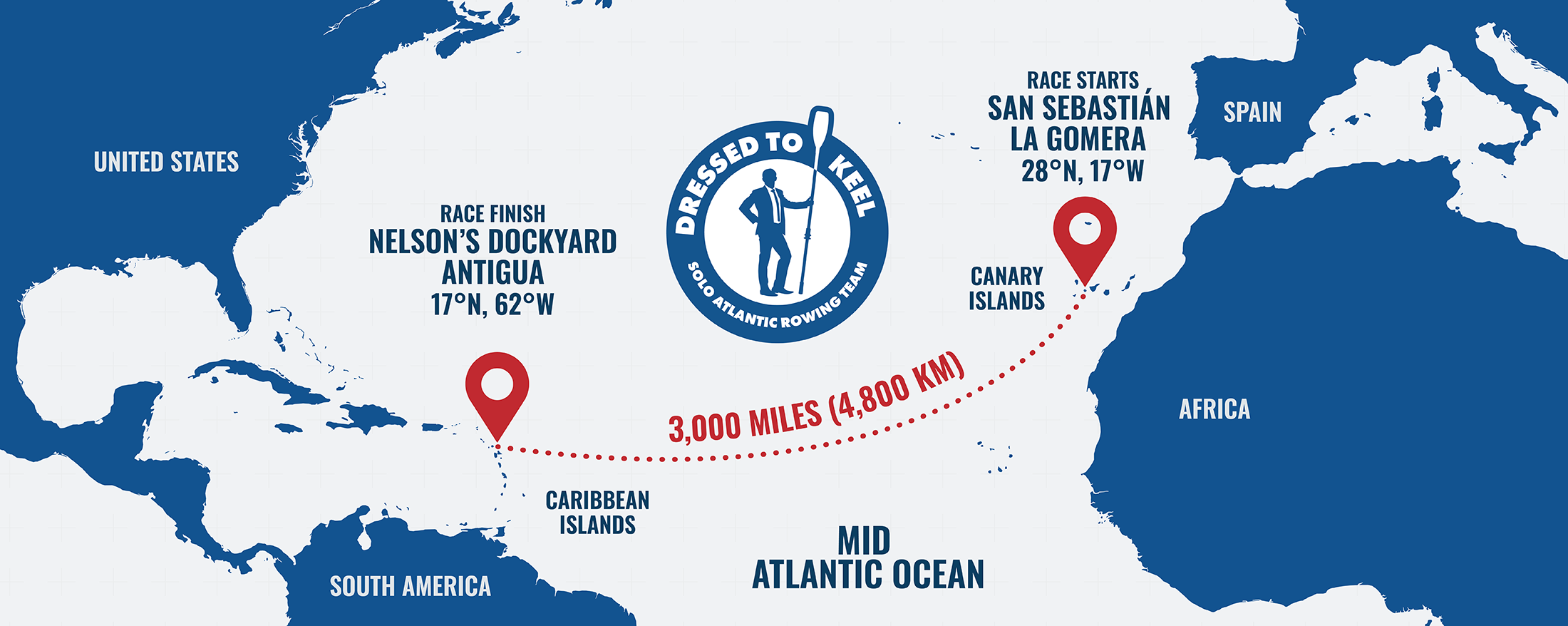
The World’s Toughest Row is the premier event in ocean rowing. A challenge that will take me more than 3,000 Miles west from San Sebastian in La Gomera, Canary Islands, Spain (28°N 17°W) to Nelson’s Dockyard, English Harbour, Antigua & Barbuda (17°N 62°W). The annual race begins in early December, with up to 40 teams participating from around the world.

Alone With the Atlantic
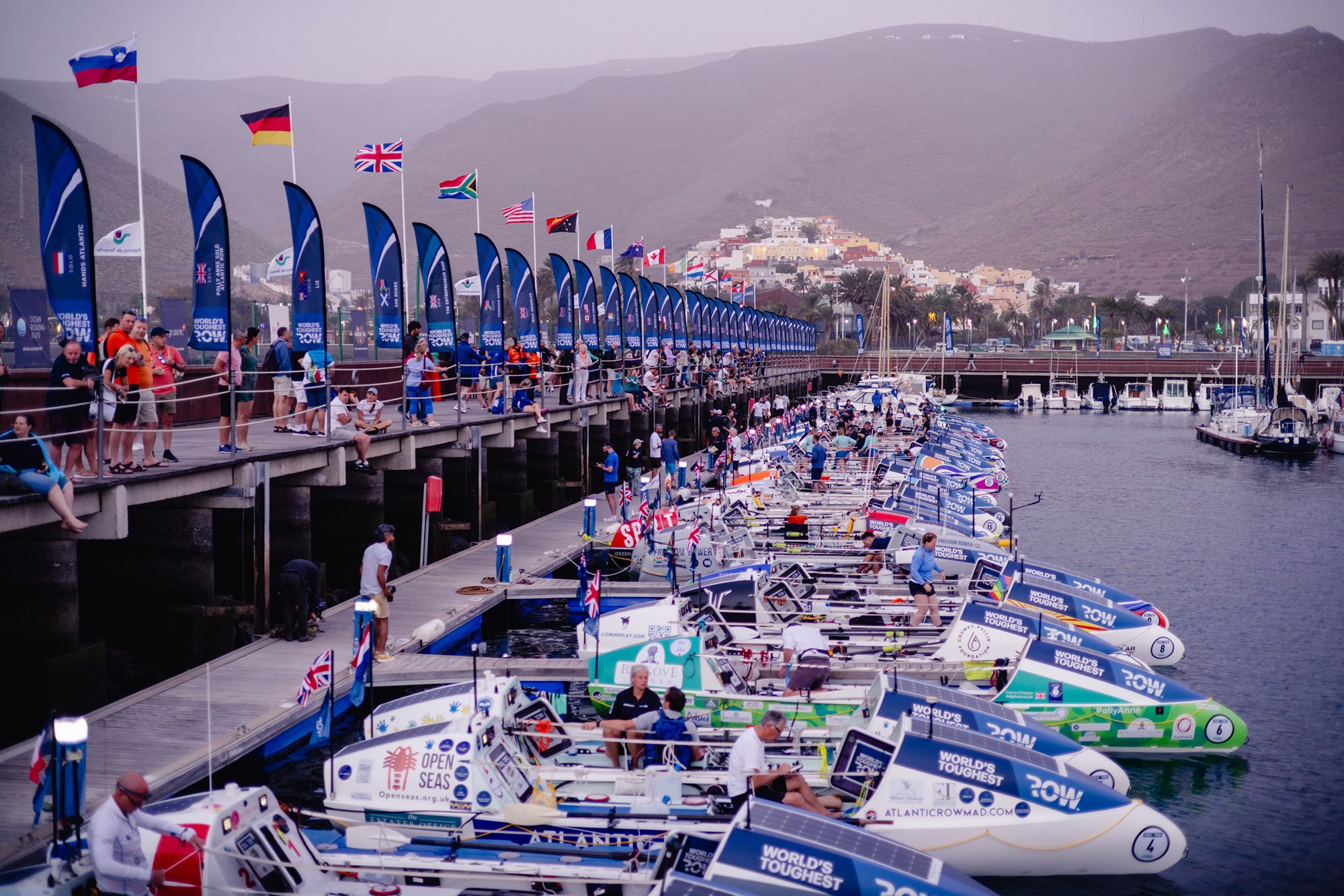
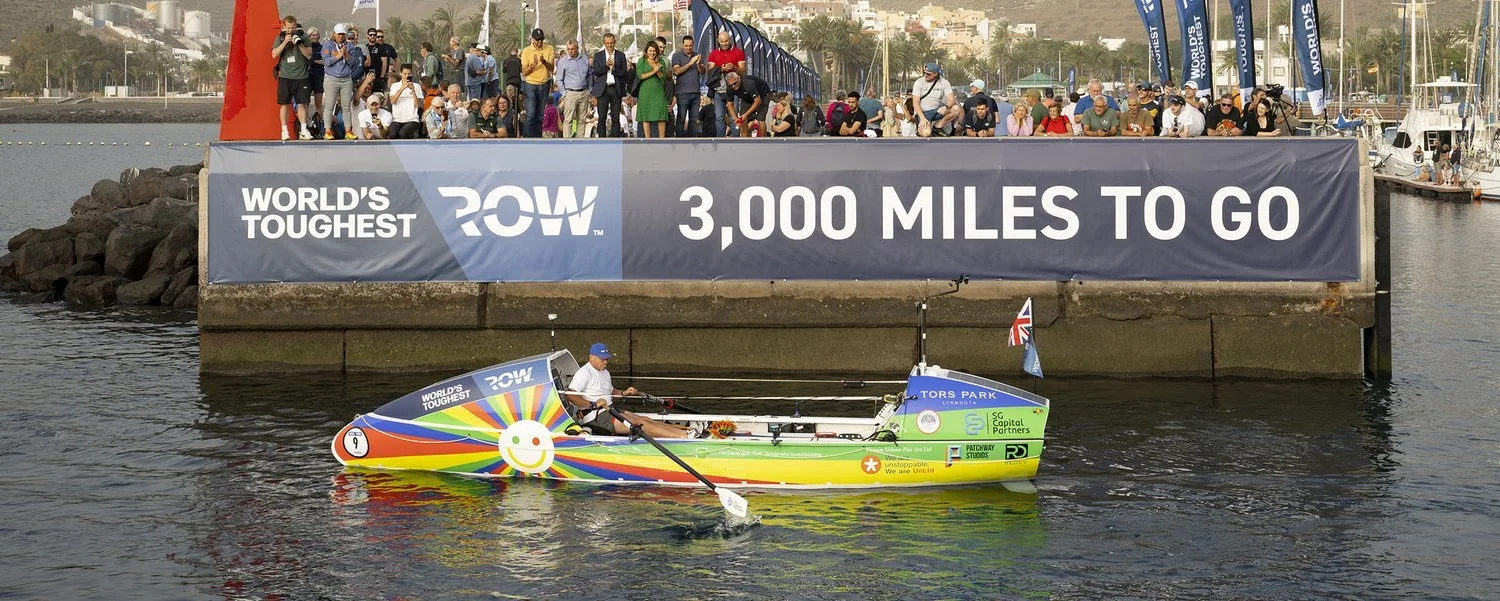
The World’s Toughest Row across the Atlantic starts in the Canary Islands race village of San Sebastián de La Gomera, where crews from across the world come together to prepare for one of the hardest endurance events on the planet. The atmosphere is electric, a mix of nerves, excitement, and sheer determination as everyone makes final checks before heading into the unknown. When the claxon sounds, the marina erupts with cheers. Then the noise fades, and it’s just me, my boat, and 3,000 miles of open ocean. For around 50 days, I’ll face powerful swells, unpredictable weather, and long, lonely hours at the oars. There’s no turning back – just grit, focus, and the will to keep moving west.
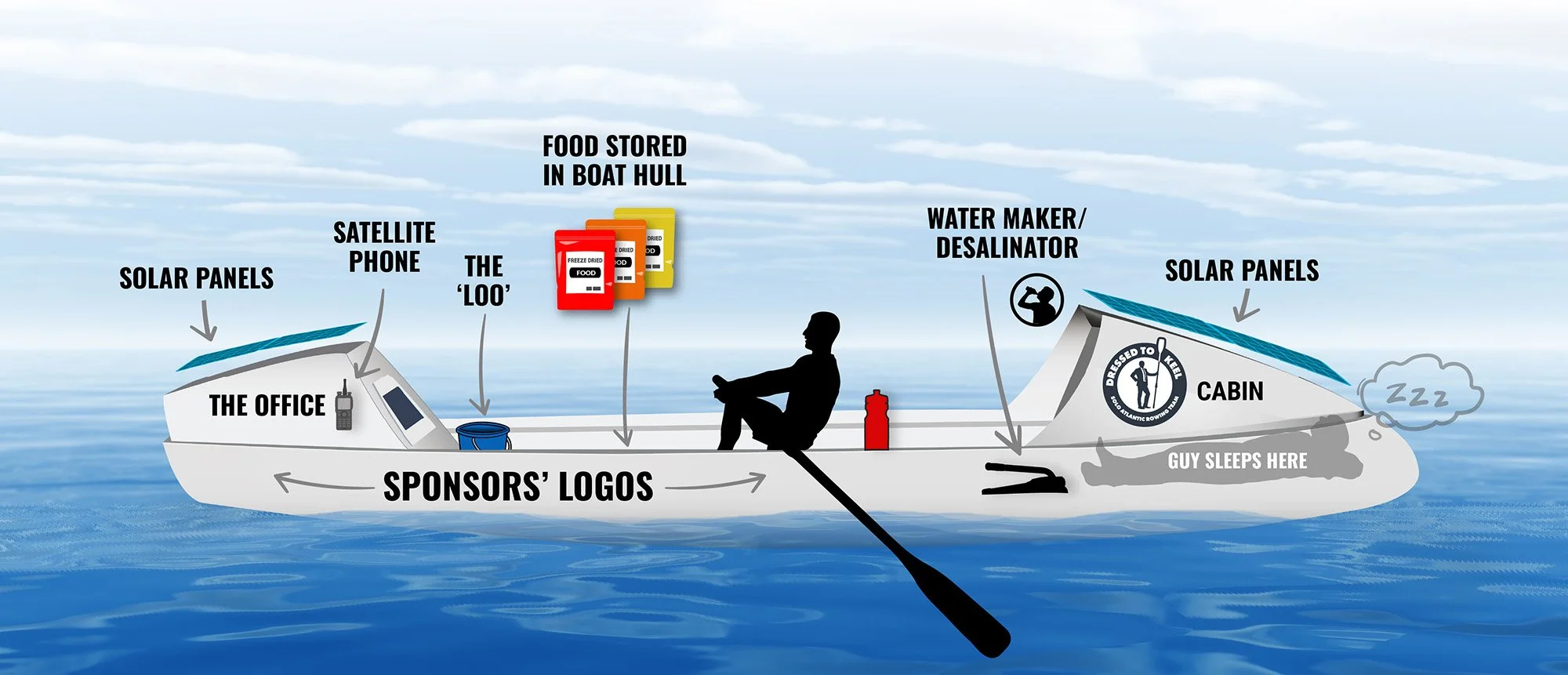
How do I feed myself? Where do I get drinking water? How do I sleep? And where’s the onboard toilet? The answers to all these questions - and more - are below!
WORLD’s TOUGHEST ROW FACTS:
-

I will take in excess of 1.5 million oar strokes over the period of my solo Atlantic row.
-

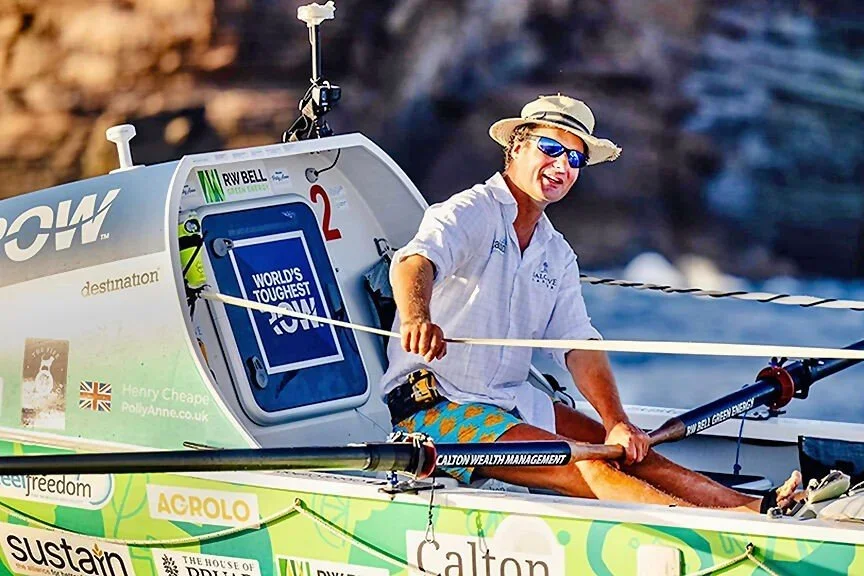
Solo ocean rowers have the option to do a shift pattern (2 hours on 2 hours off) per 24 hours or I can do longer stretches of rowing anywhere up to 18 hours a day.
-

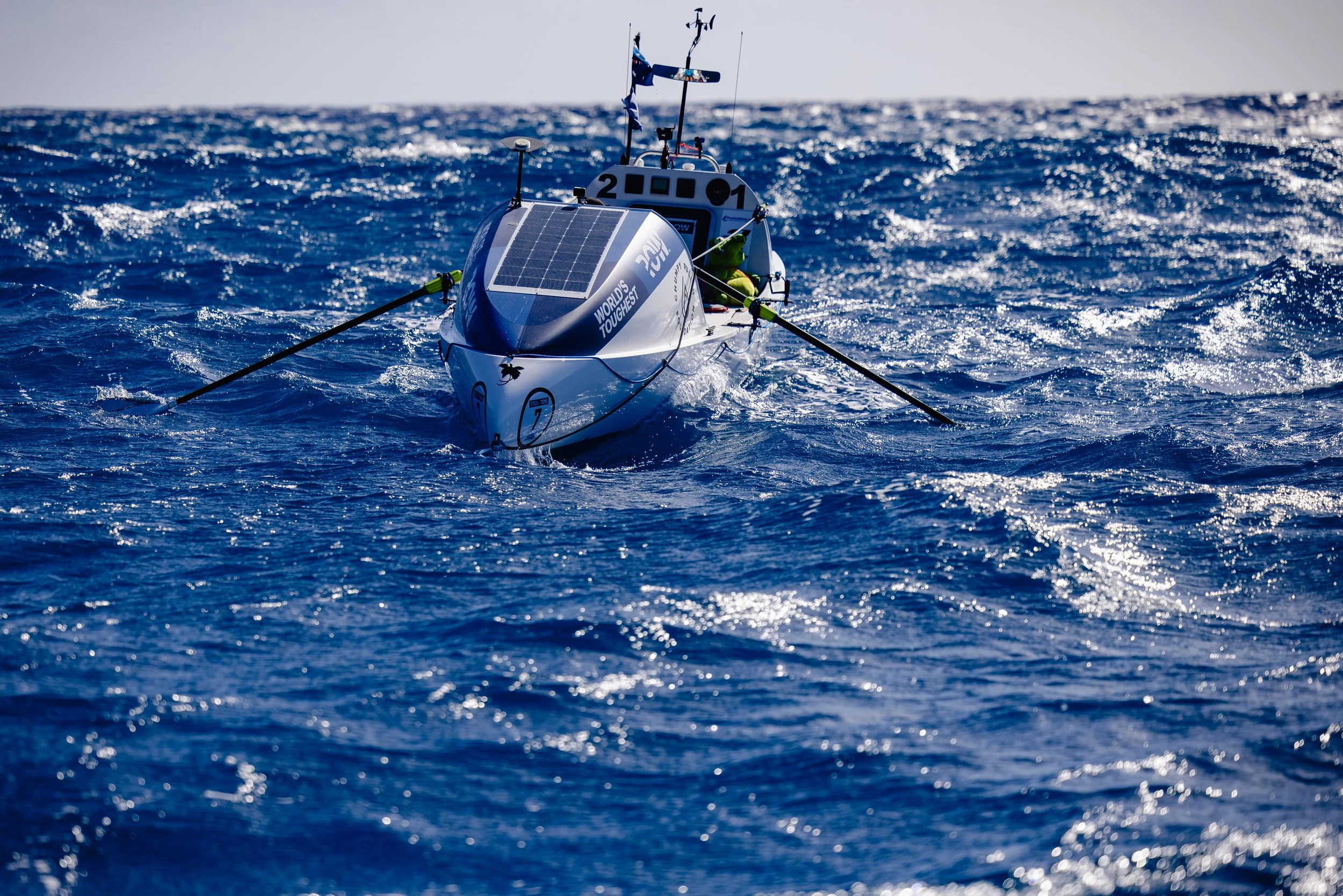
I will experience waves that can measure up to 40ft/12m high. At its deepest, the Atlantic Ocean is 5.28 miles/8.5km deep.
-
Ocean rowers can expect to see lots of wildlife, such as minke and pilot whales, dolphins, turtles, flying fish and of course the blue marlin, whose bills have previously pierced through hulls of ocean rowing boats!
-

To date, the World’s Toughest Row has raised over €19 million for various charitable causes through the efforts of its teams and participants.
-

I'll have a satellite phone which enables me to contact land support and VHF to contact passing boats in the event of an emergency. Two land-based duty safety officers are on-hand 24/7.
-

I should aim to consume 10 litres of water per day. I will need to filter water from the ocean by using a desalinator. Rowers burn in excess of 6,000 calories per day. Each rower loses on average 12 kg crossing the Atlantic.
-

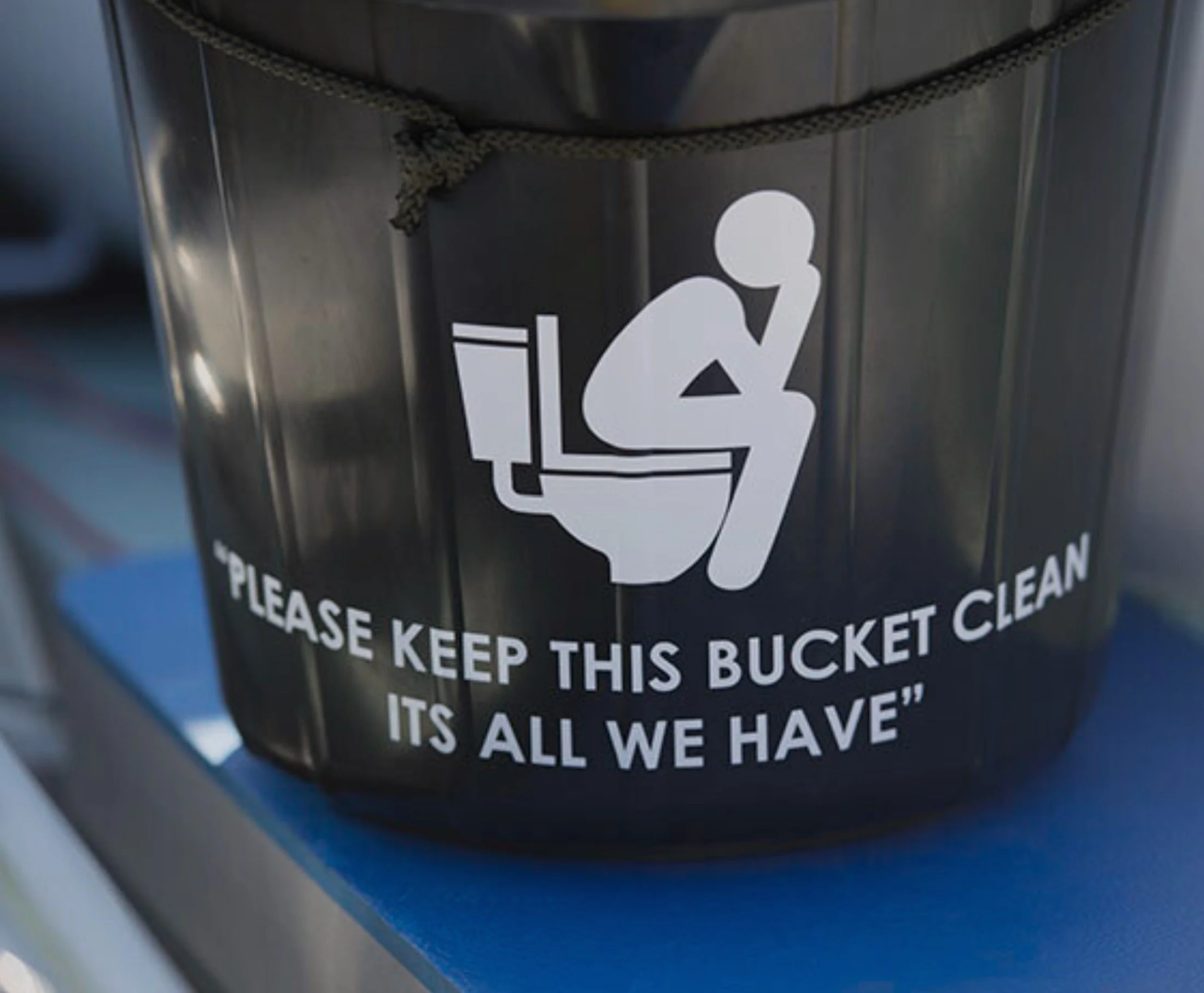
Each rower is expected to use 800 sheets of toilet paper during their crossing. There is no toilet on board – rowers use a bucket!
-
All rubbish must be stowed on board and taken to the finish destination. Polluting the ocean is not acceptable in the ocean rowing community.
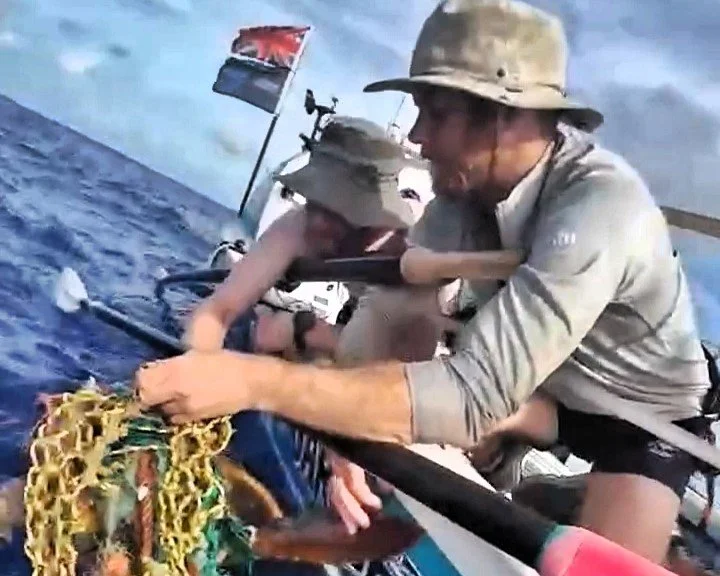
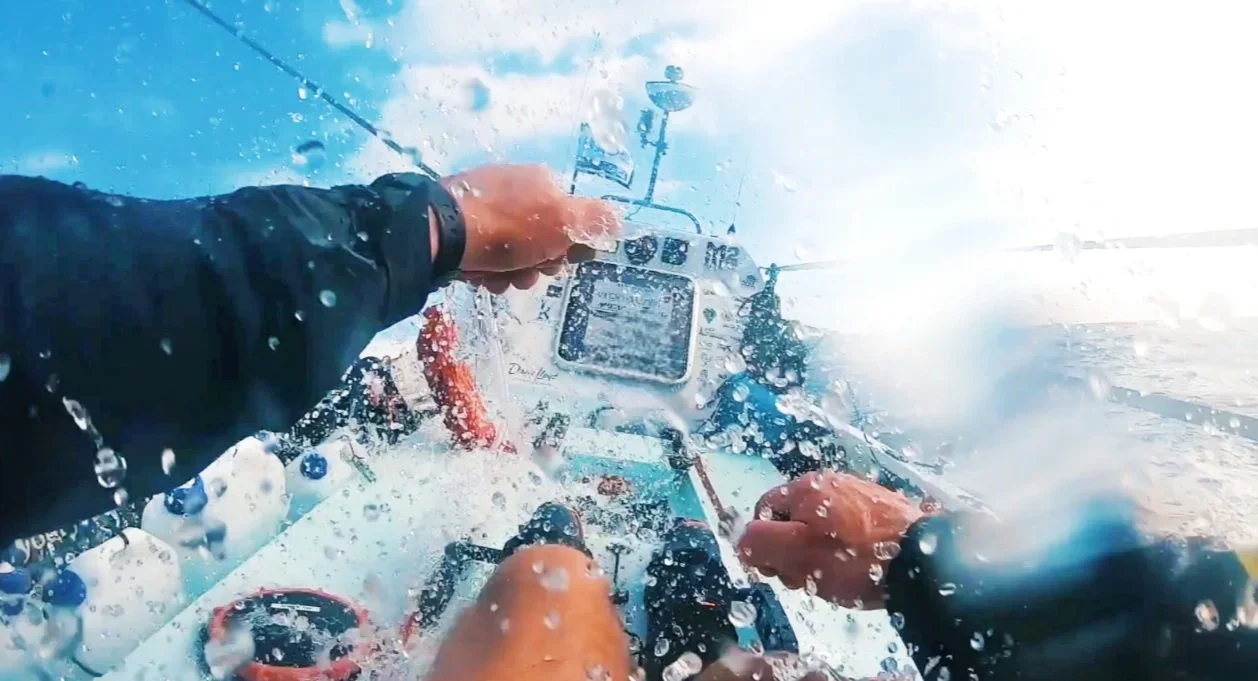


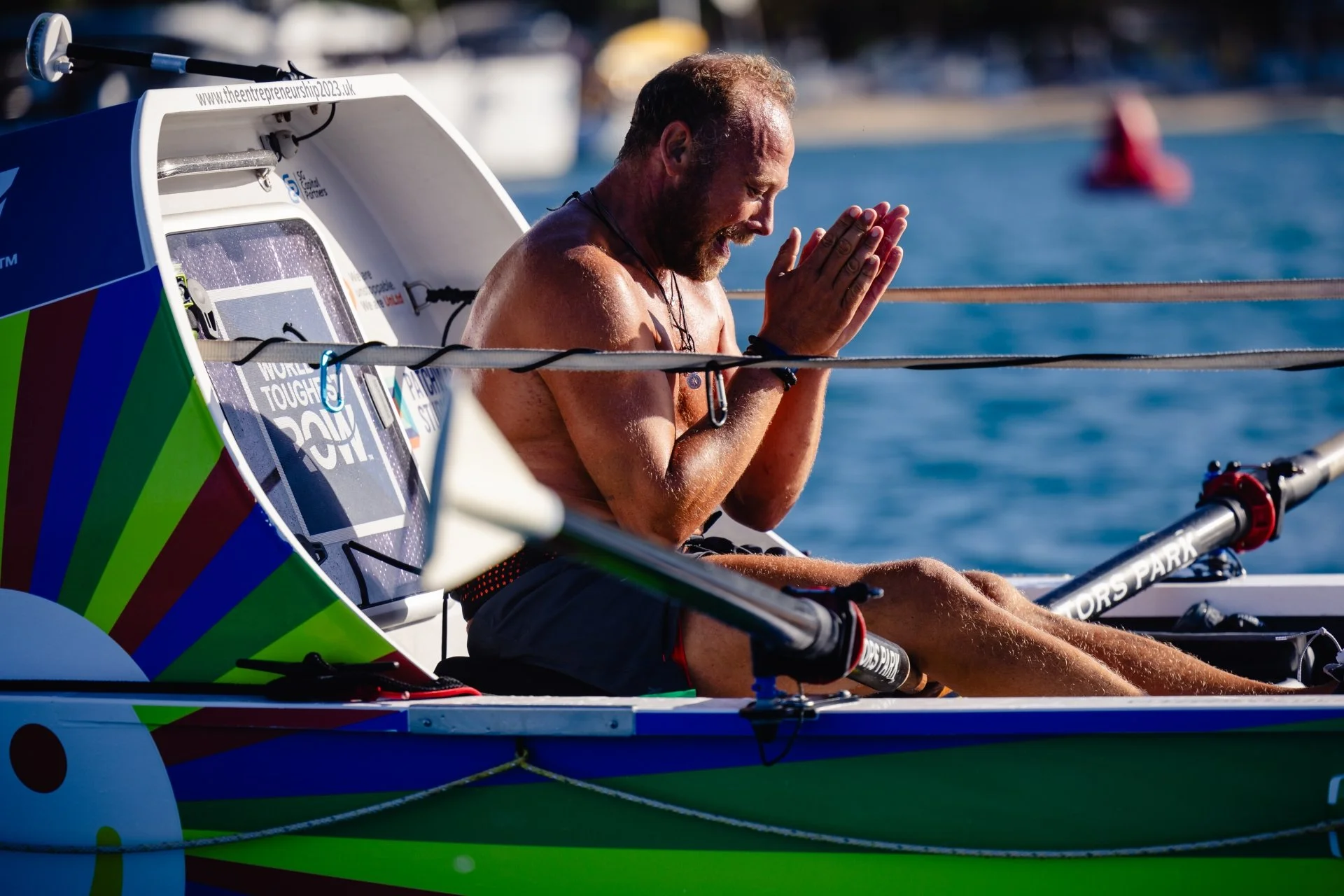
WHAT IS IT REALLY LIKE TO ROW THE ATLANTIC?
Rowers can face:
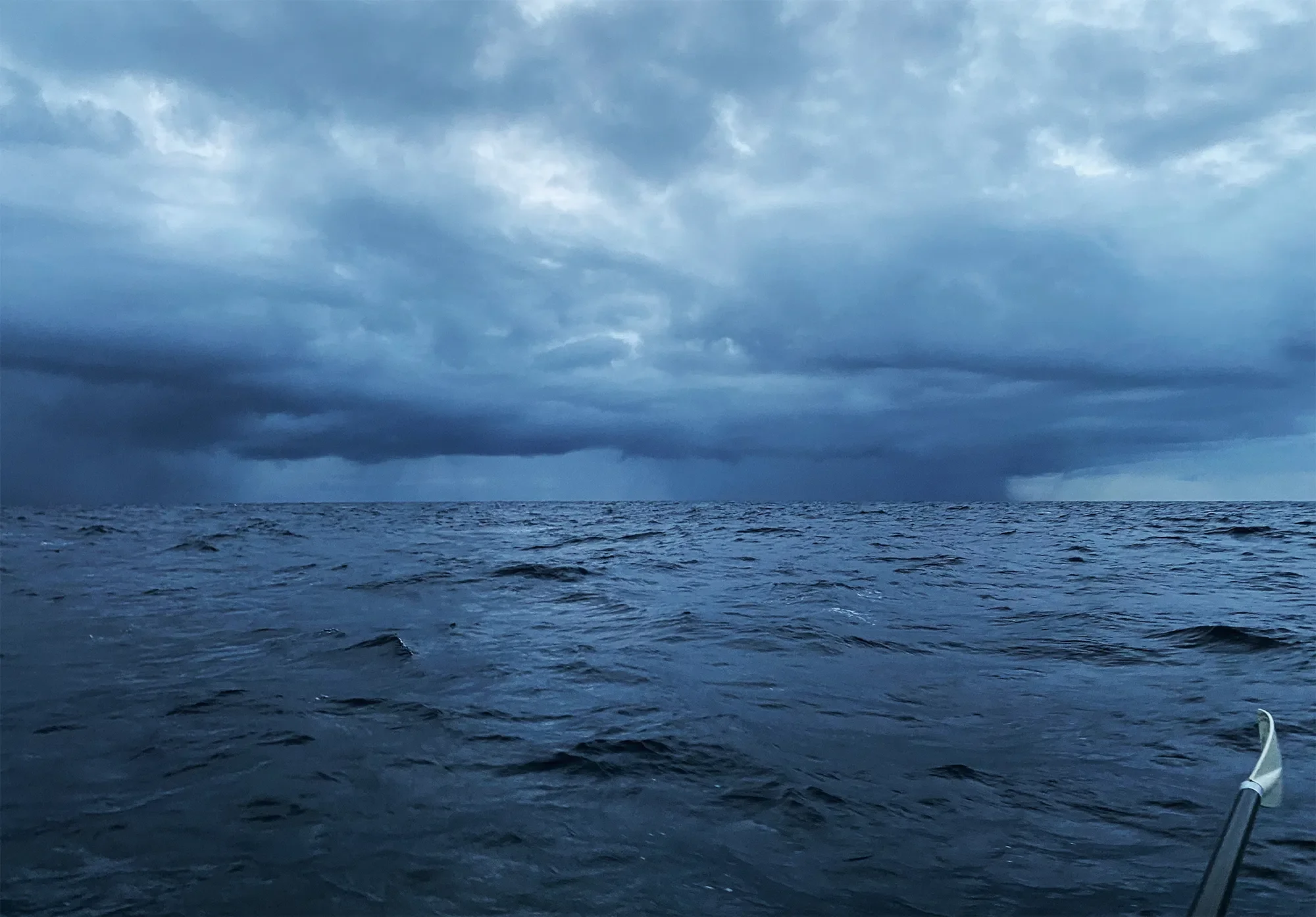
40-foot/12m waves
40mph winds
Can get up to 40°C heat in the cabins
Sunburn
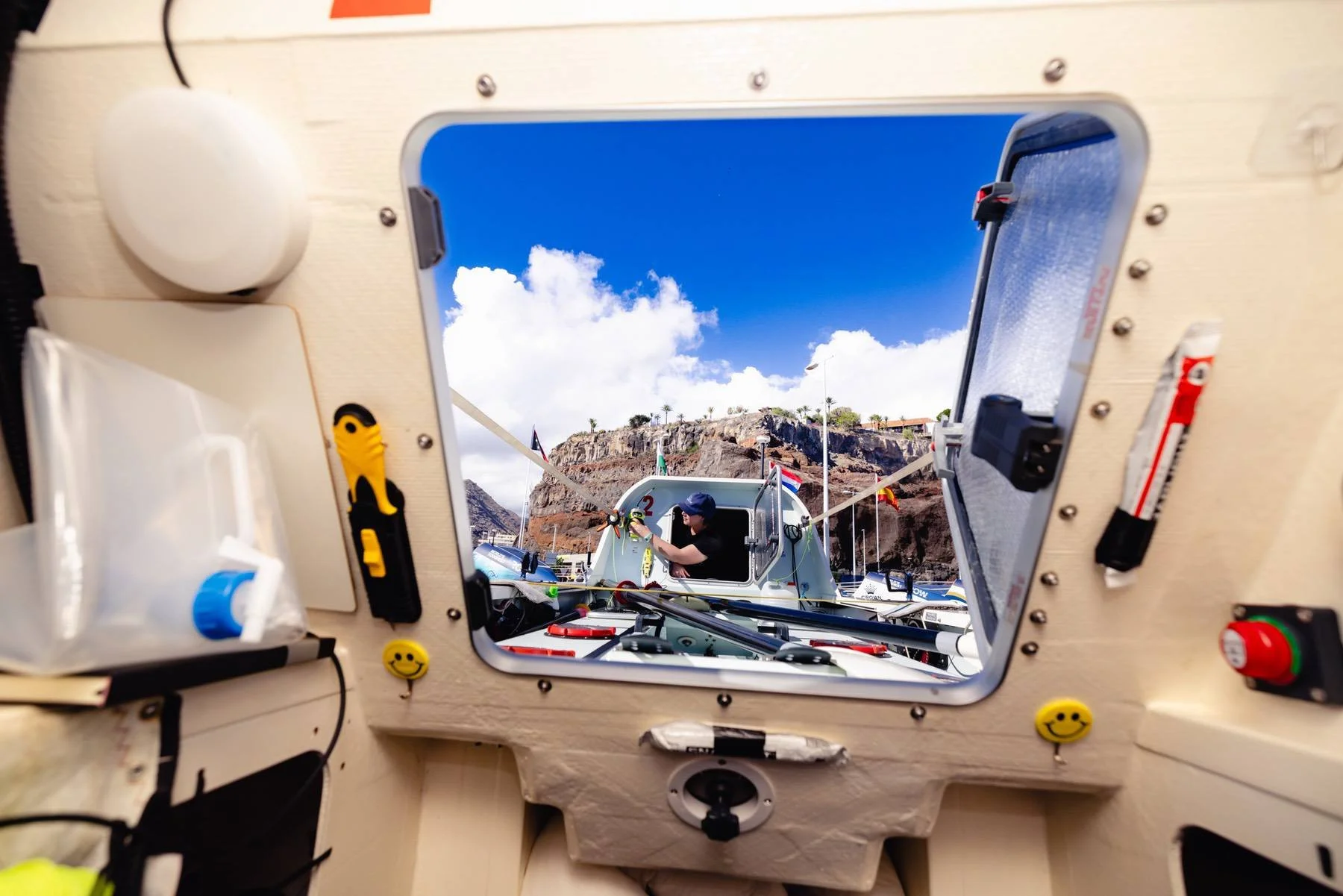
THIS 7 METRE ocean rowing boat will be MY home for 50 PLUS days
Join me on this incredible journey!
Help me get to the start line. Sponsor my Atlantic row, spread the word, and follow the campaign. Your support, or your company’s, or an organisation you may be involved with, could help save lives with DKMS by helping me reach the start line in La Gomera in December 2027. Please get on board!