DRESSED TO KEEL
GUY DRESSER IS Rowing 3,000 Miles Solo
and Unsupported across the Atlantic
In 2027 I am taking on one of the most difficult endurance challenges there is - the World’s Toughest Row - to raise lifesaving funds for three excellent charities one stroke at a time: Sarcoma UK, Das Schweizer Register für Blutstammzellspende, and for blood cancer charity DKMS, which encourages more people to join the stem cell donor register. My top priority for right now is simple: raise the funds I need to reach the start line of the World’s Toughest Row. Your sponsorship could be the reason I get there.

An epic 3,000 mile rowing race across the Atlantic
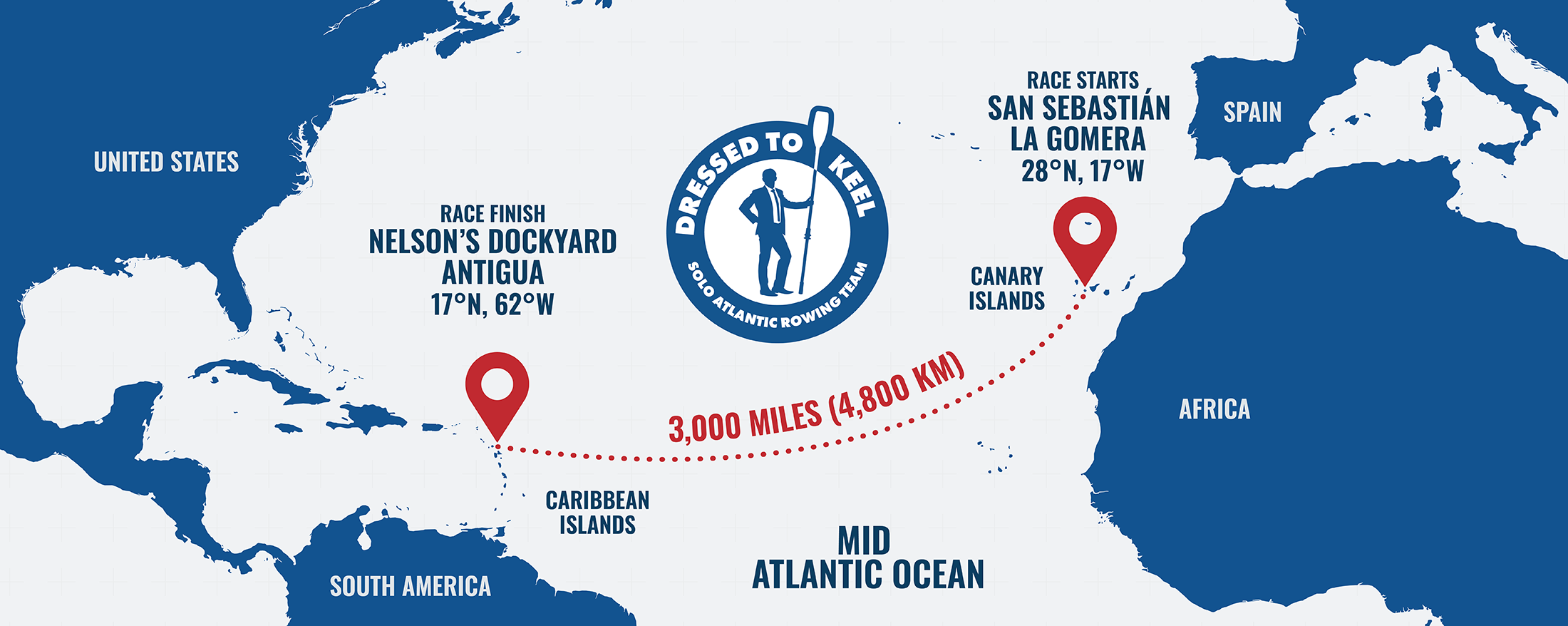
The World’s Toughest Row is a 3,000-mile (4,800 km) solo crossing of the Atlantic Ocean, an extreme test of endurance, resilience, and mental strength. I’ve done it before, and I’m returning not just for the challenge of competing solo, but to make every mile count for something bigger.
This time, I’m rowing to raise funds for three charities:
DKMS is an international charity that helps fight blood cancer by encouraging more people to join the stem cell donor register, giving hope to patients waiting to find a compatible donor match. I hope to inspire others either to sign up to the global register or to dig deep.
Das Schweizer Register für Blutstamzellspende is the Swiss equivalent of DKMS as I live in Switzerland, where DKMS does not operate.
Sarcoma UK is a charity that funds vital research and offers support for anyone affected by sarcoma cancer and campaigns for better treatments. This is in memory of my good friend James Smythe, a former British team canoeist and sarcoma patient.
This challenge is personal to me.
No one should die for lack of a stem cell donor. But the importance of becoming a stem cell donor or why it matters is not as well known as it should be. I want to change that.
And I want to support Sarcoma UK, to recognise the excellent work it does for sarcoma patients and their families.
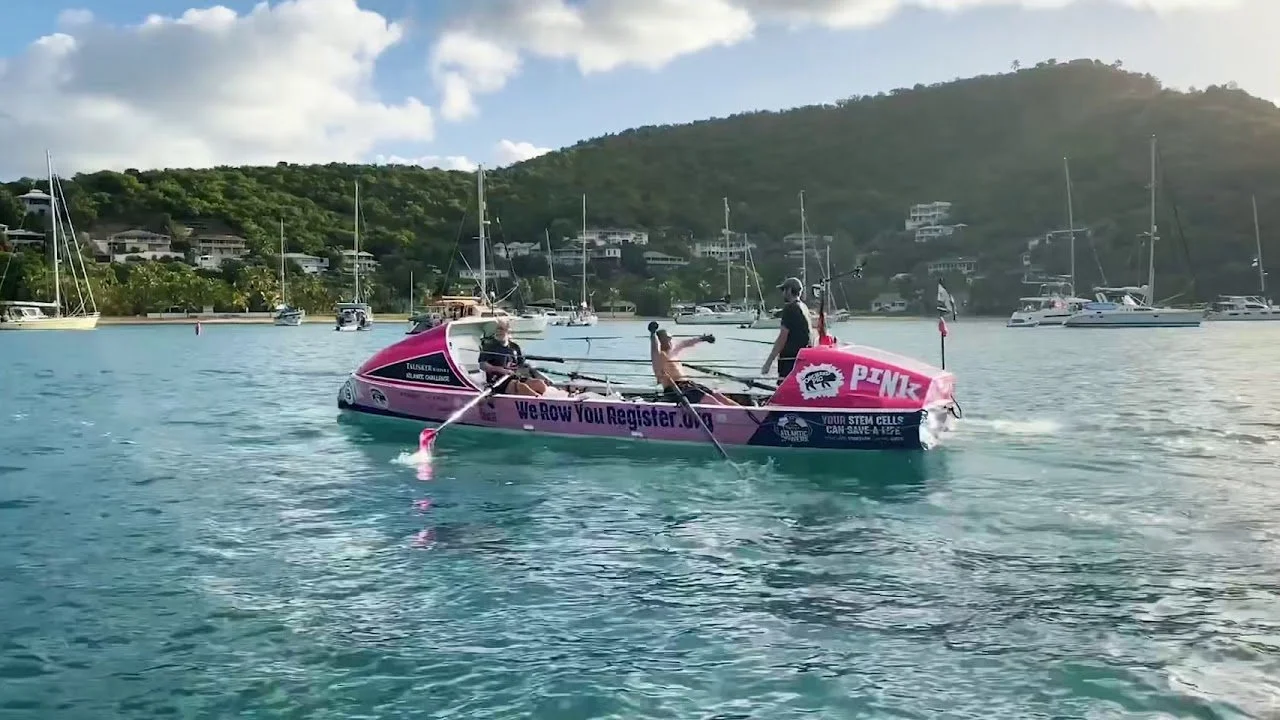
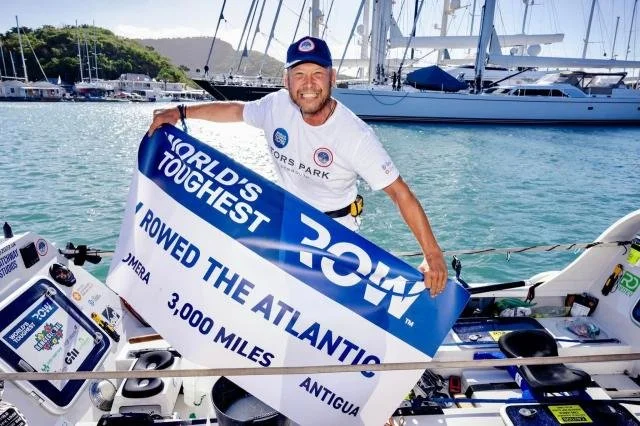
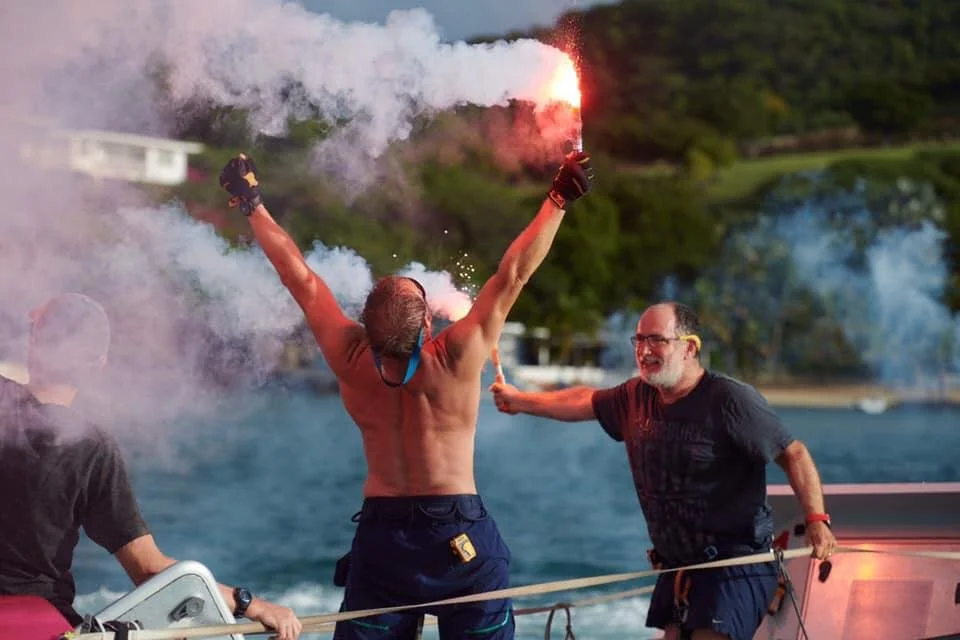
Guy successfully rowed the Atlantic in 2019 as part of Team Margot Atlantic Rowers.
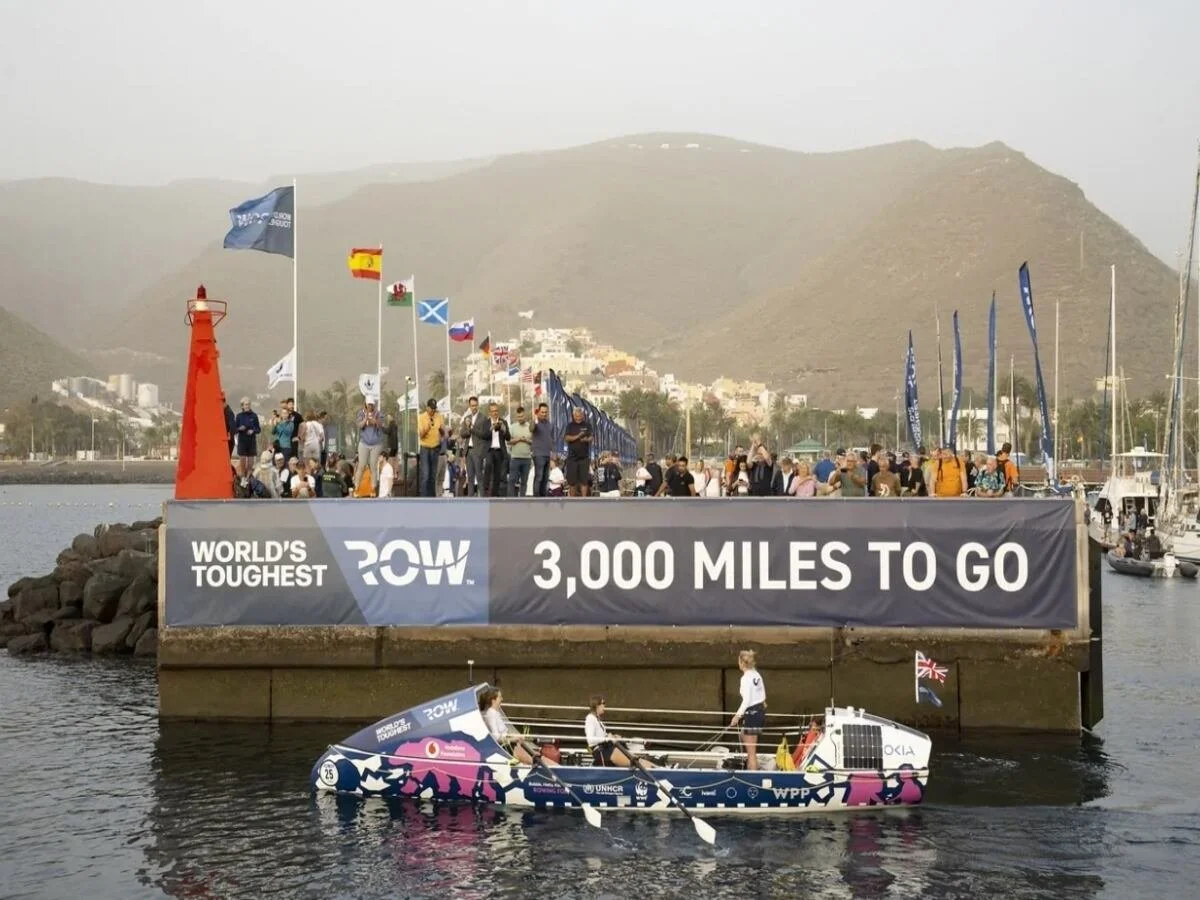

WORLD’S TOUGHEST ROW 2027
~
WORLD’S TOUGHEST ROW 2027 ~
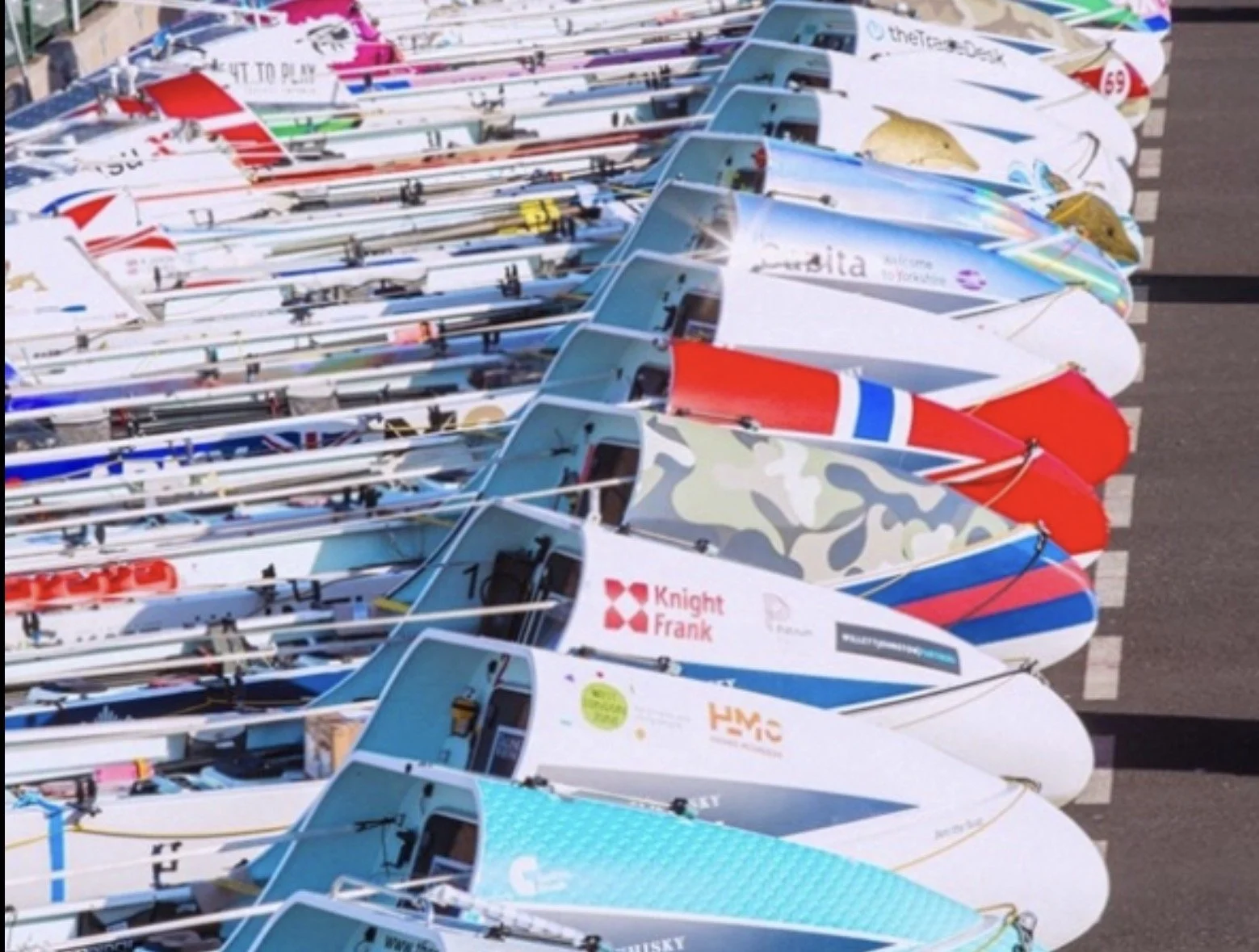
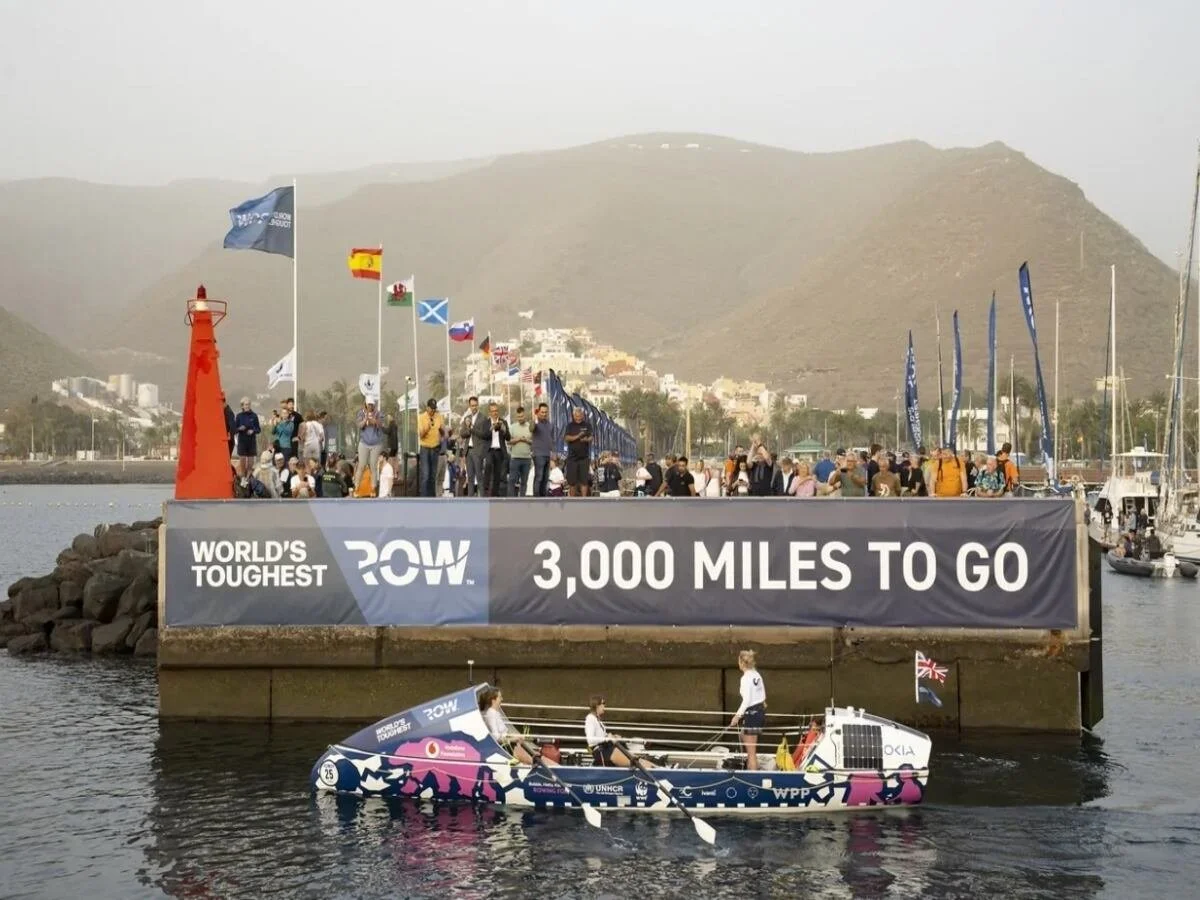
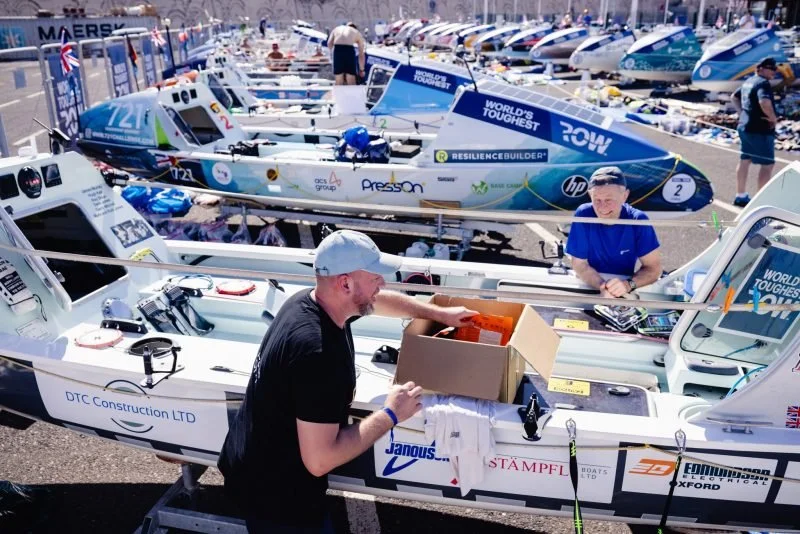
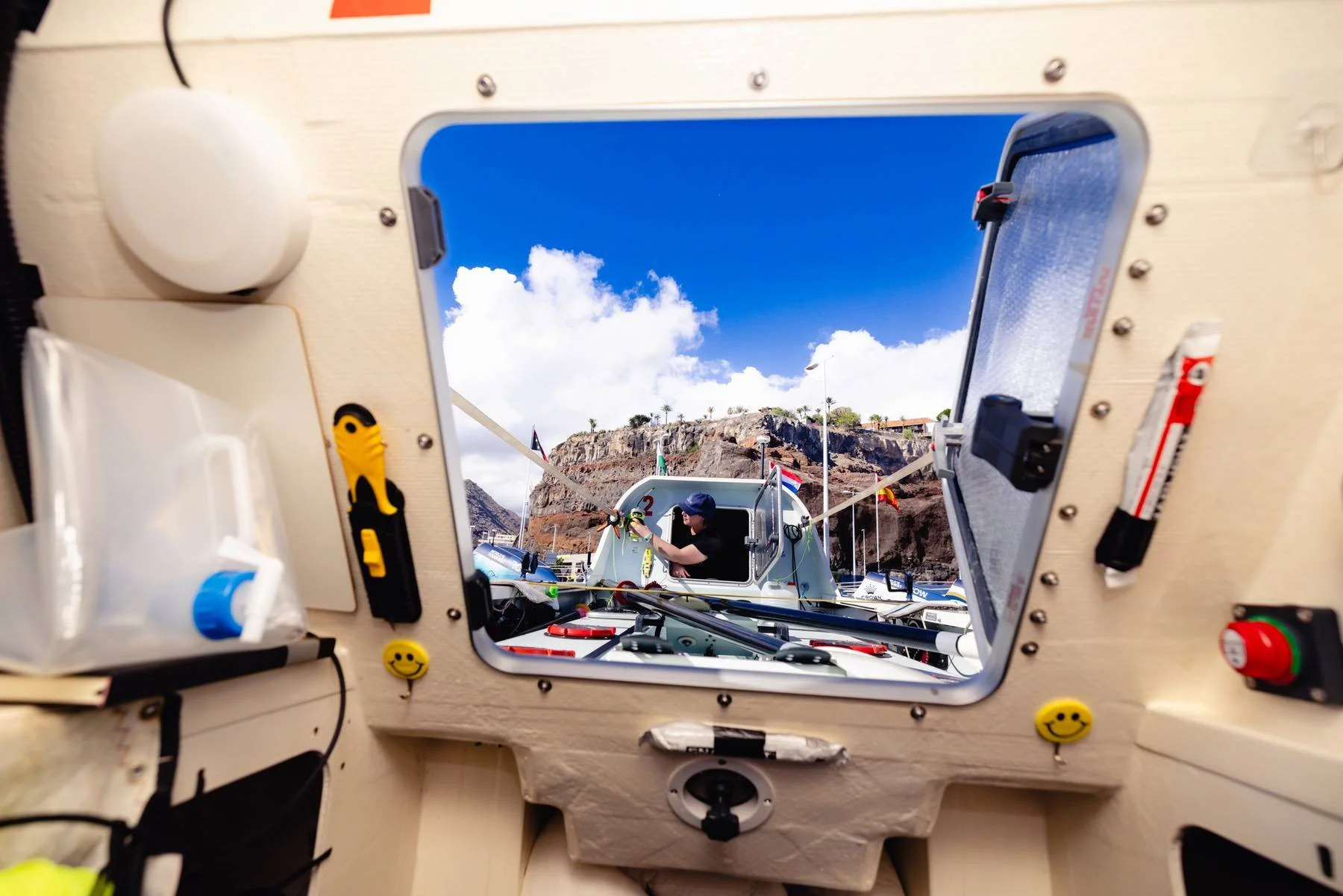
Boats lined up in La Gomera ahead of kit and safety inspections
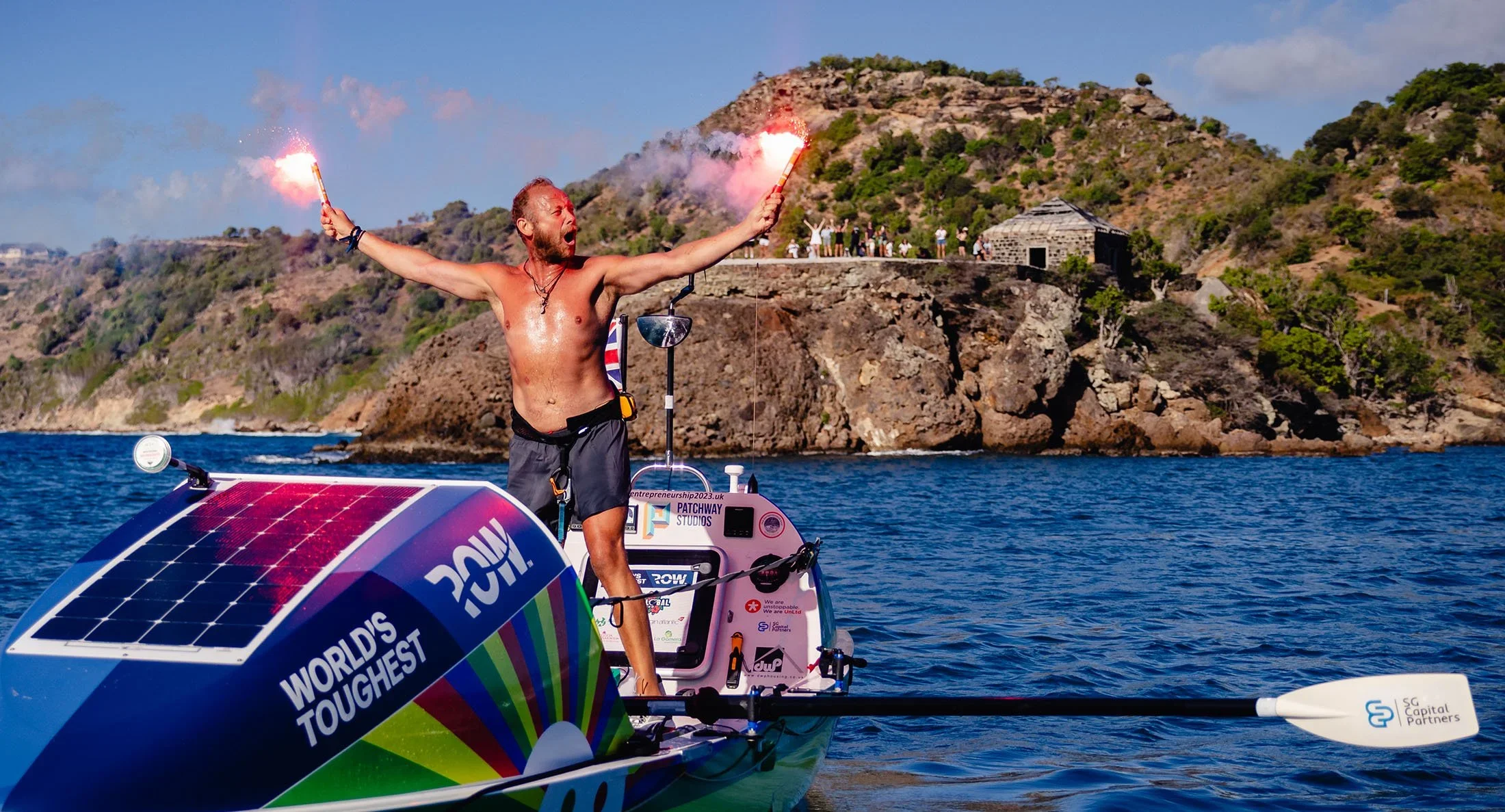
The World’s Toughest Row is a 3,000-mile unsupported crossing of the Atlantic Ocean from the Canary Islands to the Caribbean.
I’m doing it solo!
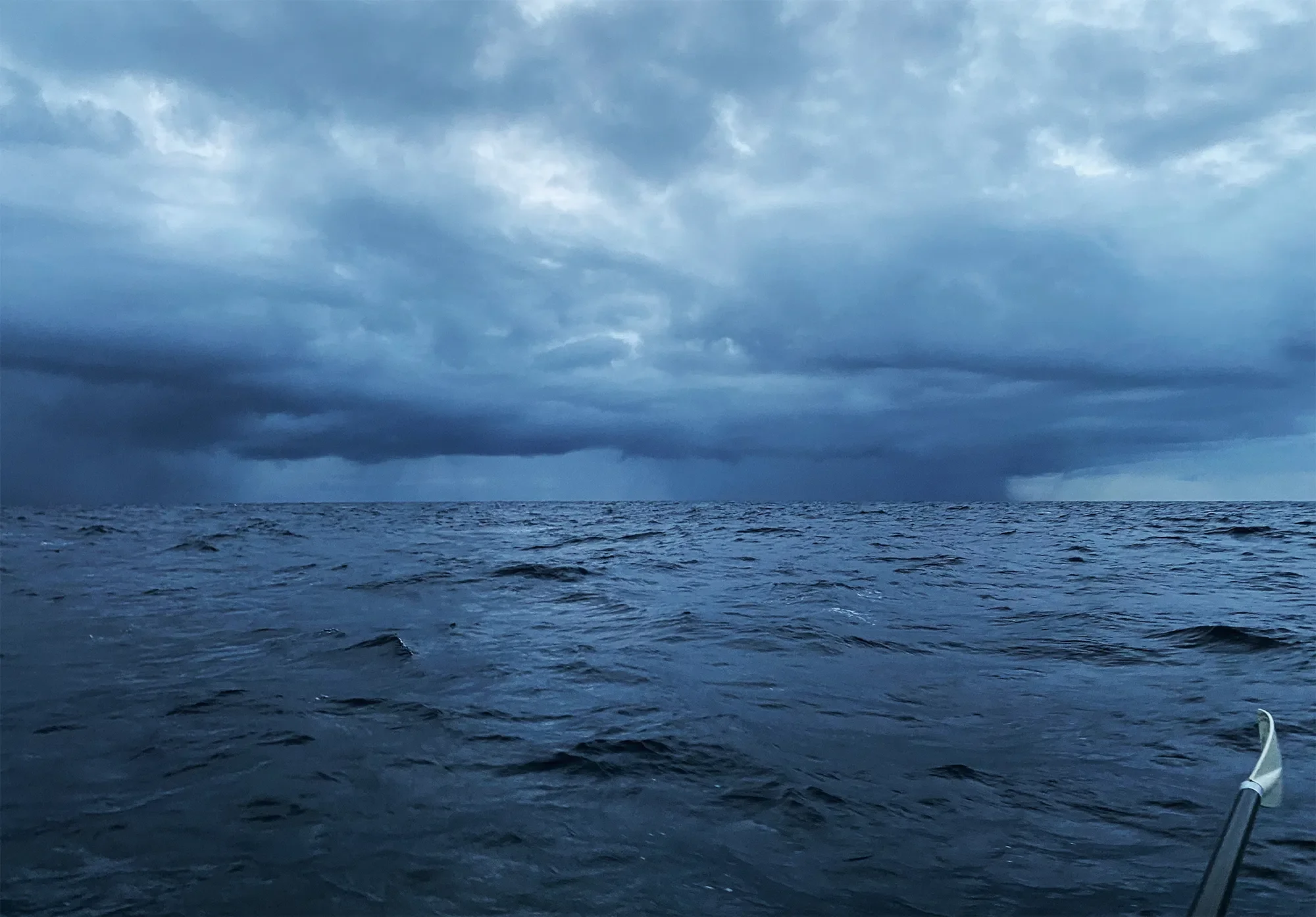
The World’s Toughest Row is widely regarded as one of the most extreme endurance challenges on Earth. For around 50 days, I’ll be completely alone at sea, battling sleep deprivation, unpredictable weather, and the mental strain of isolation. There’s no support boat, no engine, and no escape from the elements.
Every mile must be earned with grit, resilience, and relentless effort.
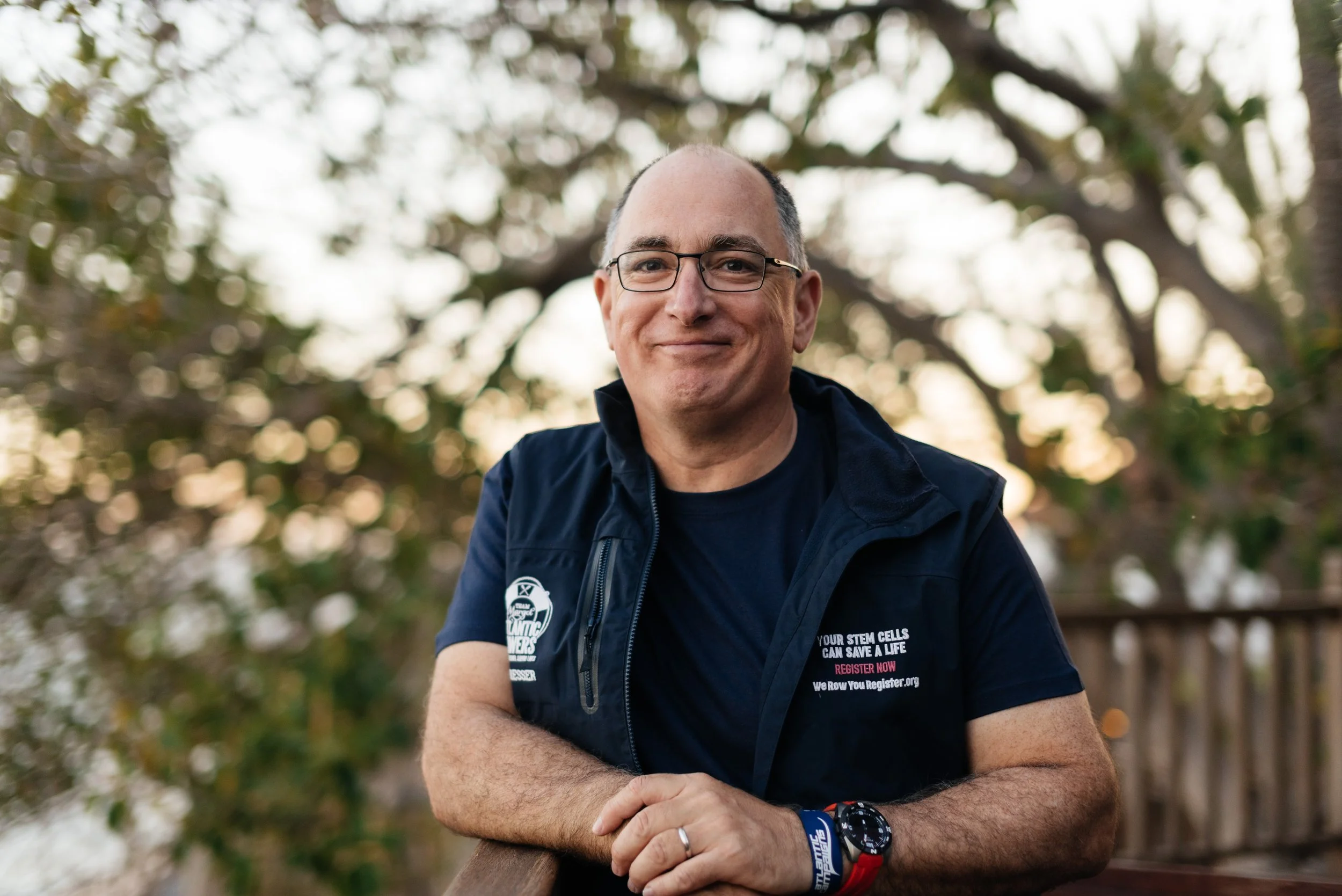
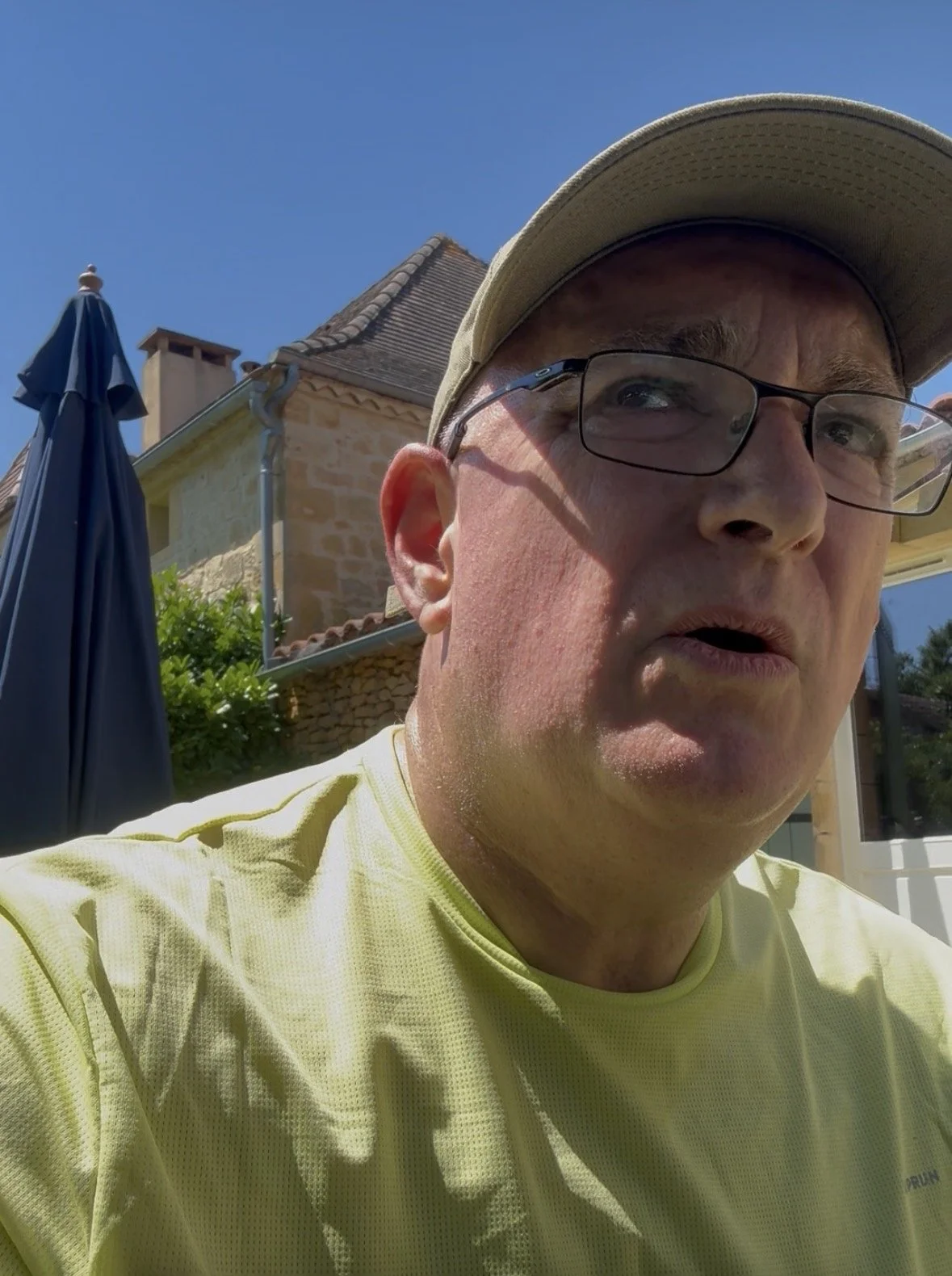
Guy Dresser - Solo Atlantic Rower 2027
This isn’t just a row-it’s a test of everything I’ve got.
What makes the World’s Toughest Row such a difficult event to complete?

Unpredictable weather conditions, mountainous seas and potential equipment failure
Sleep deprivation which can cause hallucinations and leads to impaired judgment
Physical hardship, including salt sores, severe blistering, sunburn, and exhaustion

WHY I am ROWing THE ATLANTIC IN 2027
I will be 60 in 2027 when I start the World’s Toughest Row in La Gomera, Canary Islands. Taking part at this age will be tougher for me than for some of the 20- and 30-somethings who also take part every year. But if it were easy, more would do it. Fewer than 200 people have ever rowed the Atlantic ocean solo. That’s a lot less than climb Everest every single year.
I have already completed one Atlantic row. I know what I am letting myself in for.
One Life. Live it!
My late friend Peter ‘Pedro’ Moore used to say that if your dreams don’t scare you, then they aren’t big enough. I have dreamed of rowing the Atlantic solo for three decades. I can’t say I’m not a little ‘aware’ of the scale of the challenge, but, as Pedro always said: “You only have one life and none of us are getting out of here alive. You have one life, so live it!”
Helping others
I want to make sure my row has a positive impact on others less fortunate than me.
By raising funds for and awareness of the global stem cell register (through DKMS worldwide and Das Schweizer Register für Blutstammzellspende in Switzerland) and also for Sarcoma UK, I hope to help others who need it.
Please help me on my journey!

YOUR DONATION COULD SAVE LIVES!
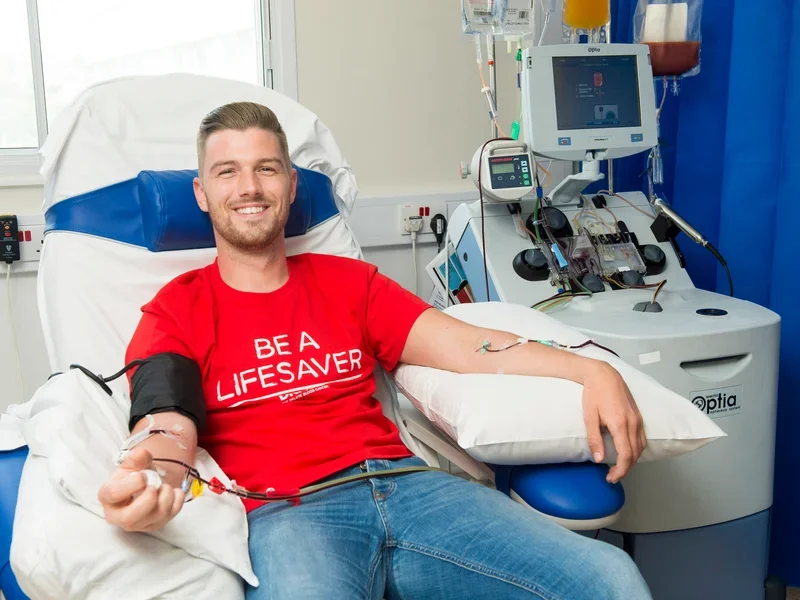
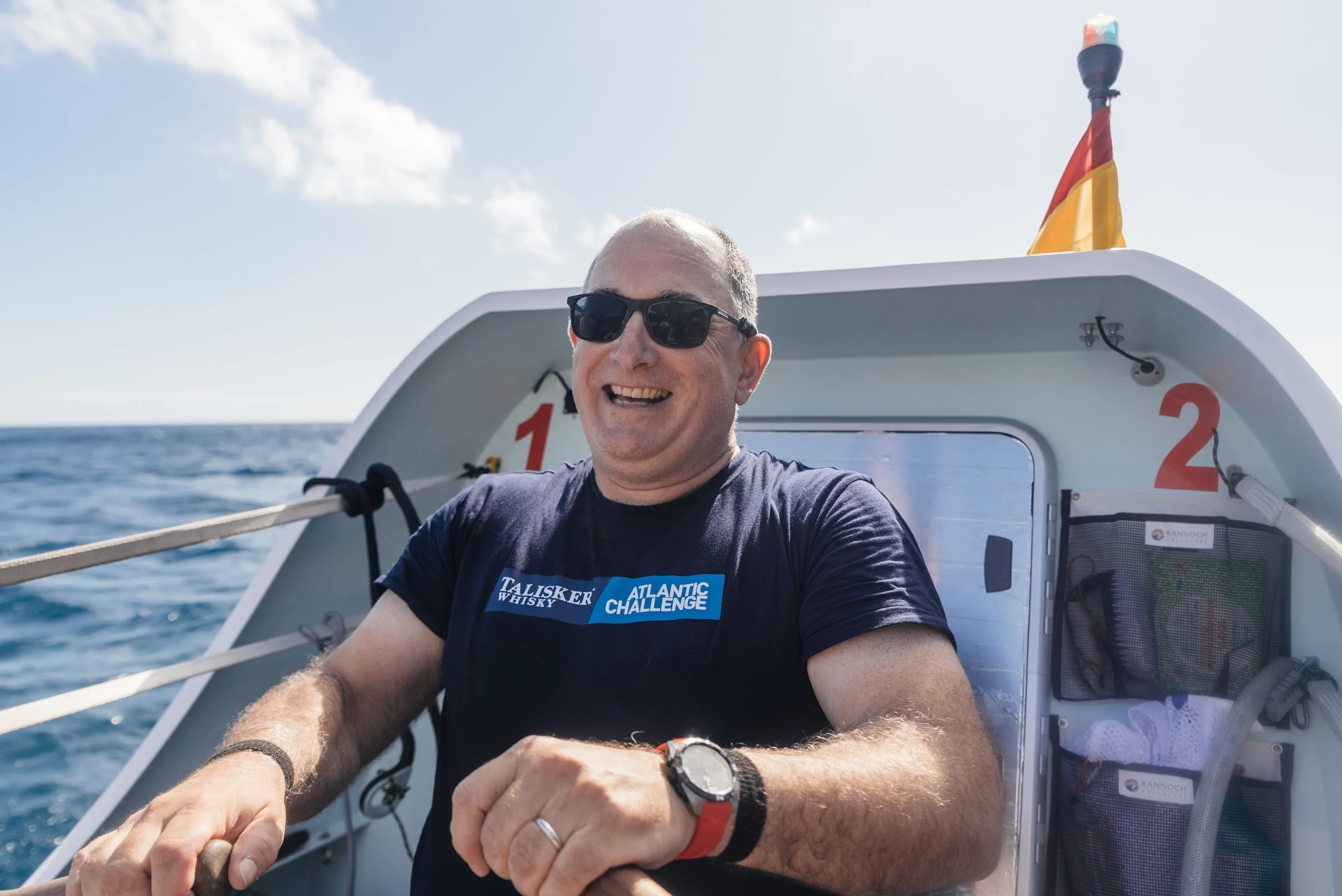
I’m Guy Dresser. I rowed the Talisker Whisky Atlantic Challenge (now the World’s Toughest Row) as part of a trio in 2019, and in 2027 I’ll take it on again - this time solo for three brilliant causes: DKMS, an international non-profit organisation that fights blood cancer by encouraging more people to join the stem cell donor register; Das Schweizer Register für Blutstammzellspende, which manages the register in Switzerland; and Sarcoma UK, which works to ensure everyone affected by sarcoma, a rare form of cancer, receives the best treatment, care, information and support available.
Finding a compatible stem cell donor is incredibly complex due to the millions of possible tissue type combinations. According to DKMS:
Every year, thousands of patients worldwide require a stem cell transplant as their best chance of survival.
Patients from Black, Asian or mixed heritage backgrounds face longer waits to find a compatible stem cell donor match due to under-representation on donor registries.
In the UK alone, every 14 minutes someone is diagnosed with blood cancer.
For many patients, a transplant is their best hope of a second chance at life and more precious time with loved ones.
In Switzerland, about 300-350 patients a year require a donor blood stem cell transplant to treat severe conditions like blood cancers.
This is why fundraising for the stem cell register is so critical. Every £40 or 42 CHF raised allows DKMS and the Swiss register to cover the cost of registering a new potential stem cell donor, increasing the odds of saving a life. If I can persuade one person to join the register who then proves to be a match, that’s potentially one life saved!
WAYS YOU CAN SUPPORT
I have started my campaign to find sponsorship for my row in 2027. With just 18 months to go before I take to the water in La Gomera, Canary Islands, to row solo across the Atlantic to Antigua, my immediate priority is securing sponsorship to get to the start line. This challenge demands not only physical and mental preparation, but also significant financial backing to cover the boat, equipment, training, and logistics.
Once I’ve built that foundation, my full focus will shift to supporting DKMS, the Swiss stem cell register, and Sarcoma UK.
The row itself will be a monumental test, but right now, the mission begins with building the team of supporters who will help make it happen. If you believe in bold goals and life-changing impact.
Together we can save lives and I’d be honoured to have your support on this journey.
Thank you to my sponsors and partners


DRESSED TO KEEL BLOG
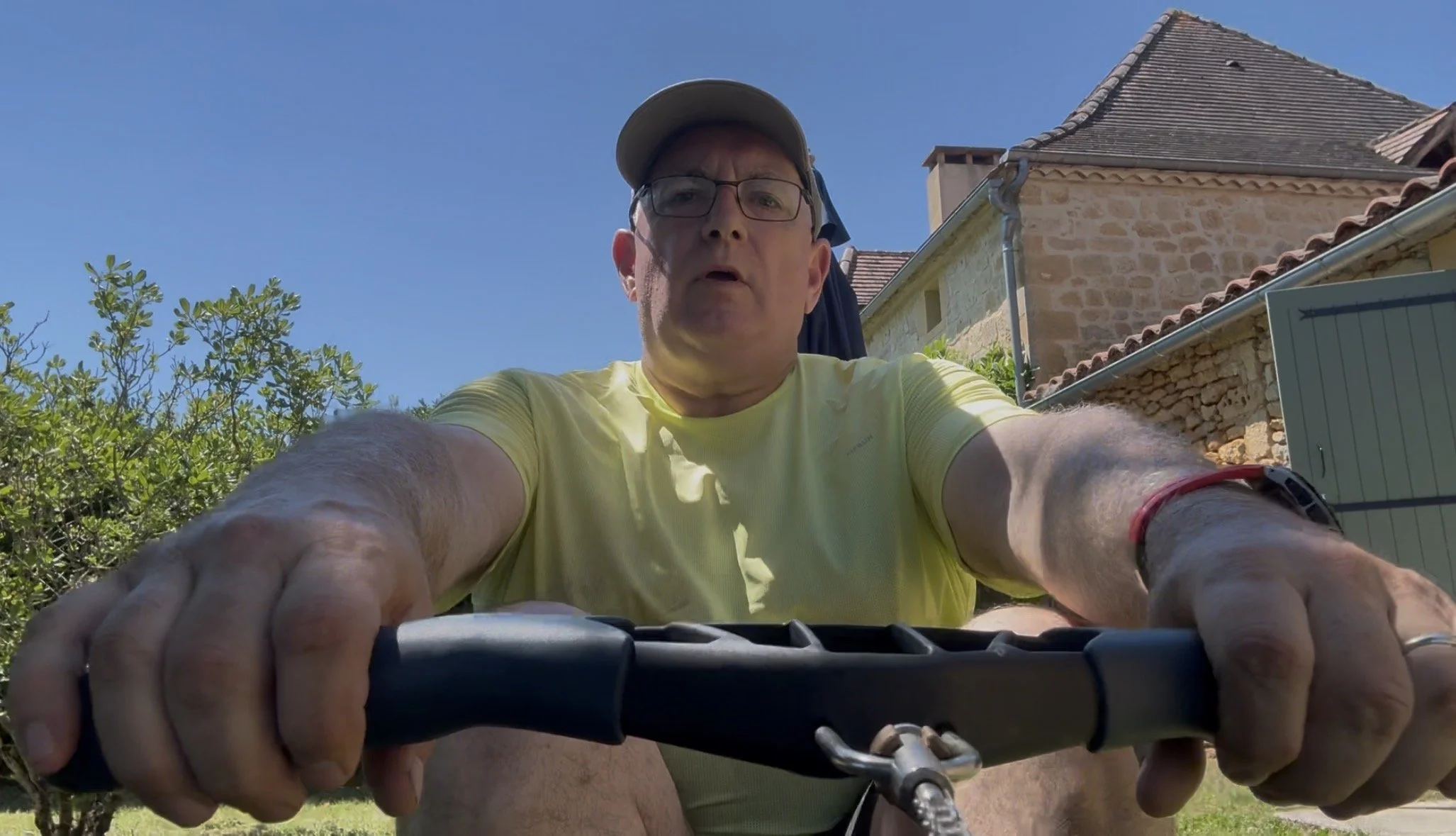
Join me on this incredible journey!
Help me get to the start line. Sponsor my Atlantic row, spread the word, and follow the campaign. Your support, or your company’s, or an organisation you may be involved with, will be invaluable in helping me reach the start line in La Gomera in December 2027 and then raise funds for and awareness of my three chosen charities.
Please get on board!