
Ocean rowing: what’s the attraction?
IT ALL STARTED WITH THE WORLD’S TOUGHEST ROW
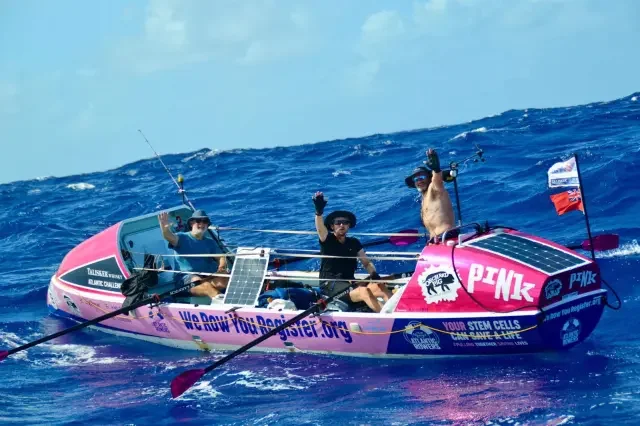
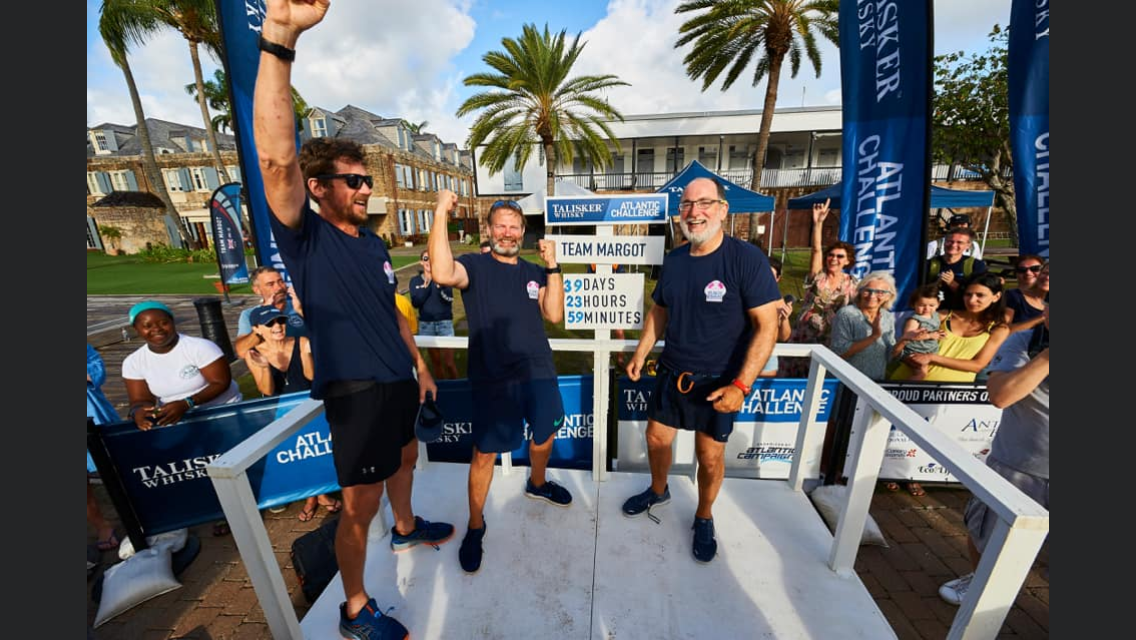
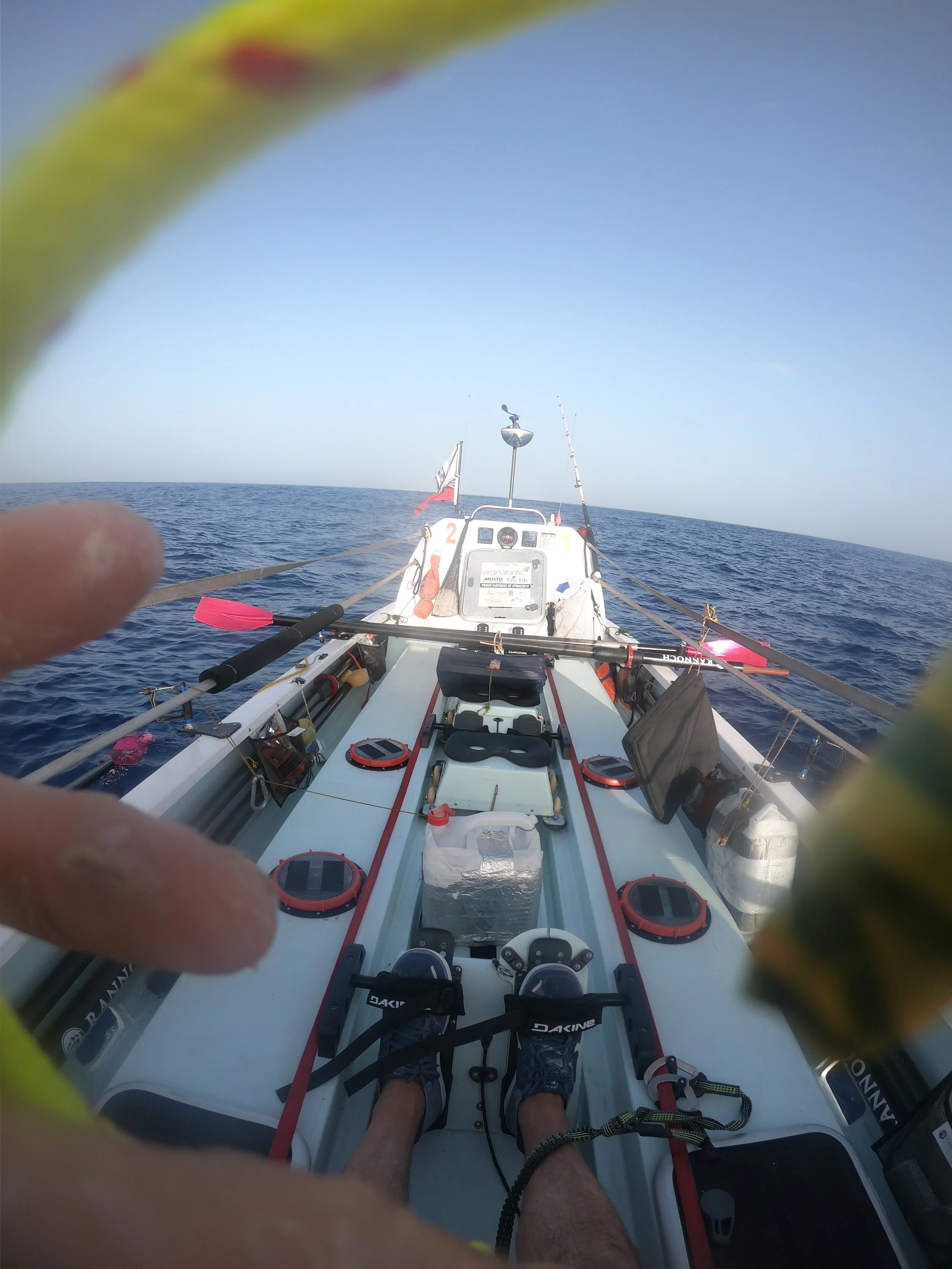
I took part in the World’s Toughest Row in 2019/20 when it was known as the Talisker Whiskey Atlantic Challenge rowing competition.
Rowing an ocean was one of the hardest things I’ve ever done.
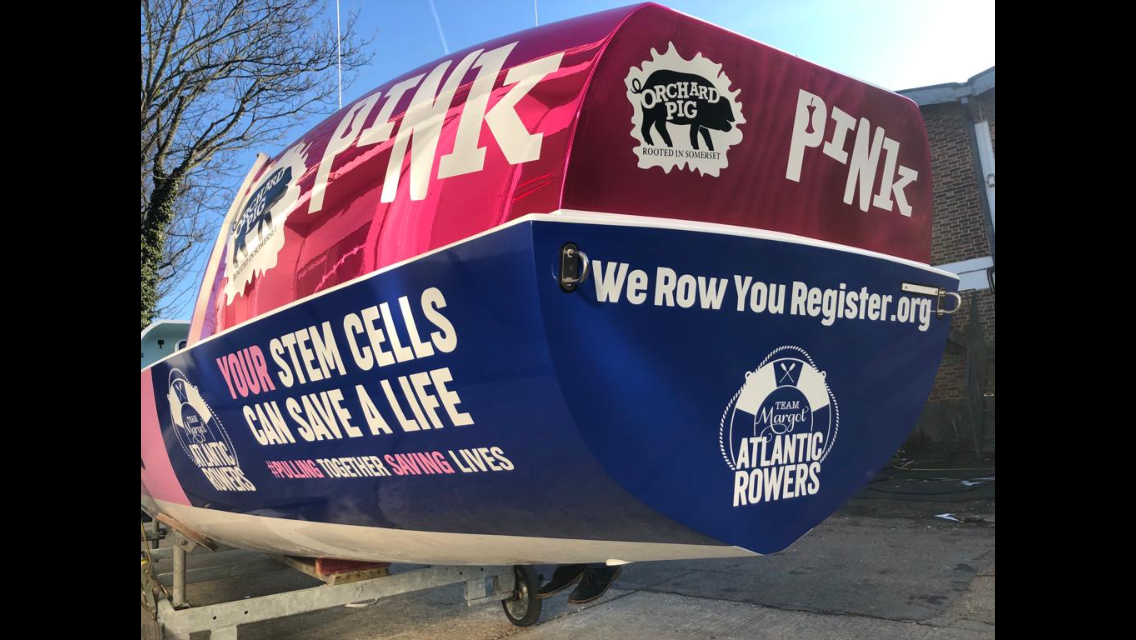
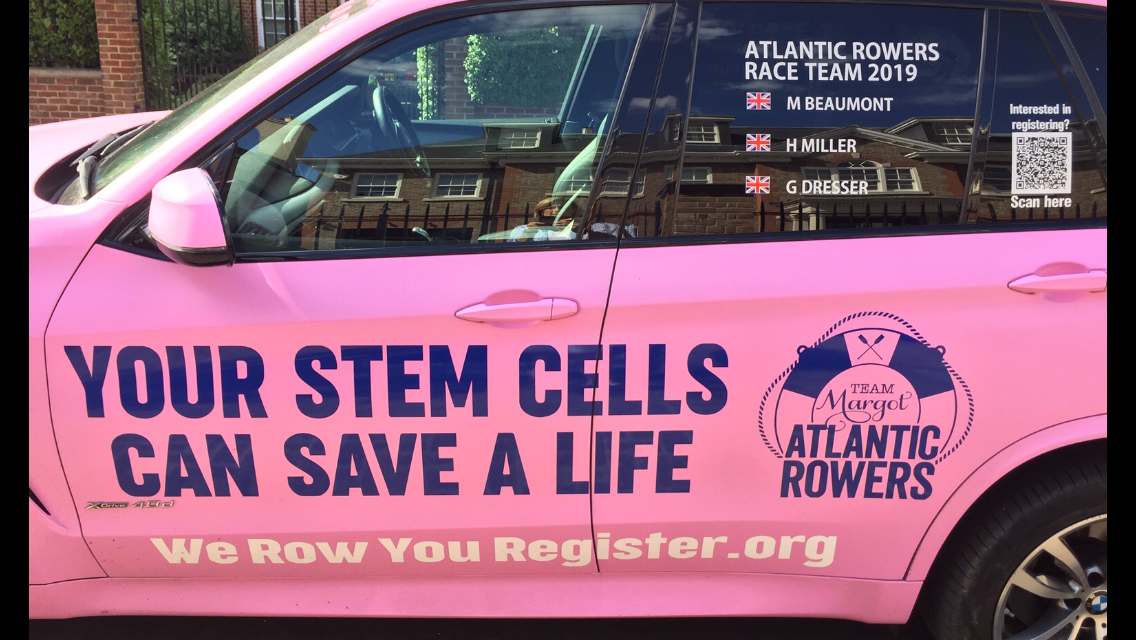
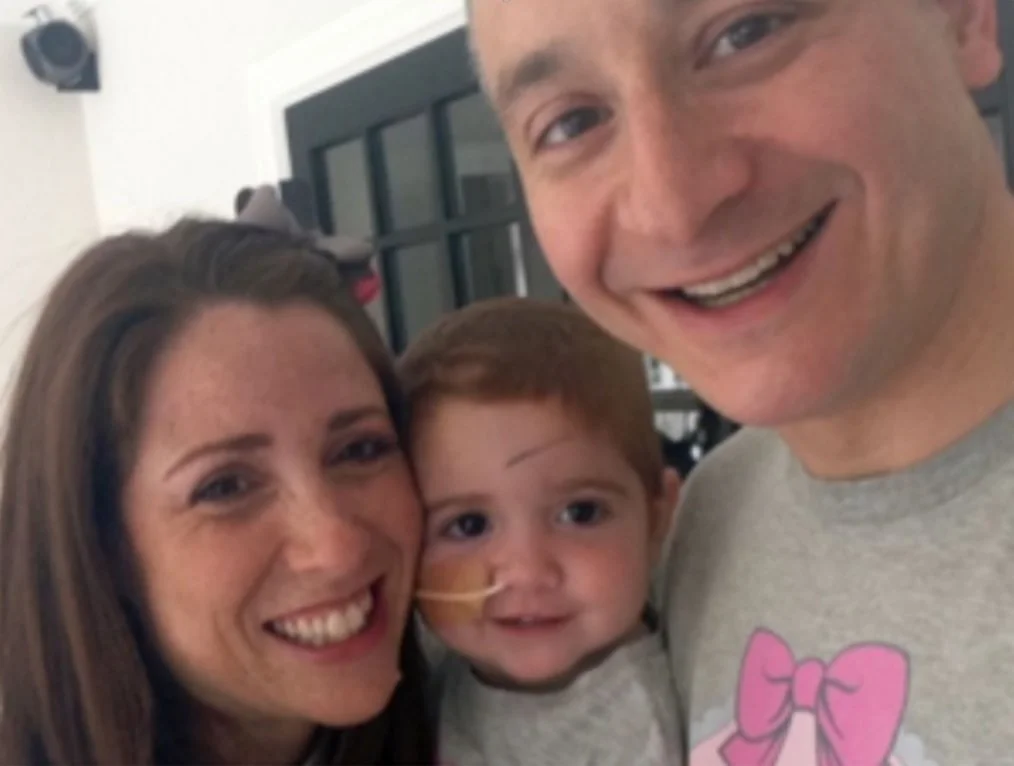
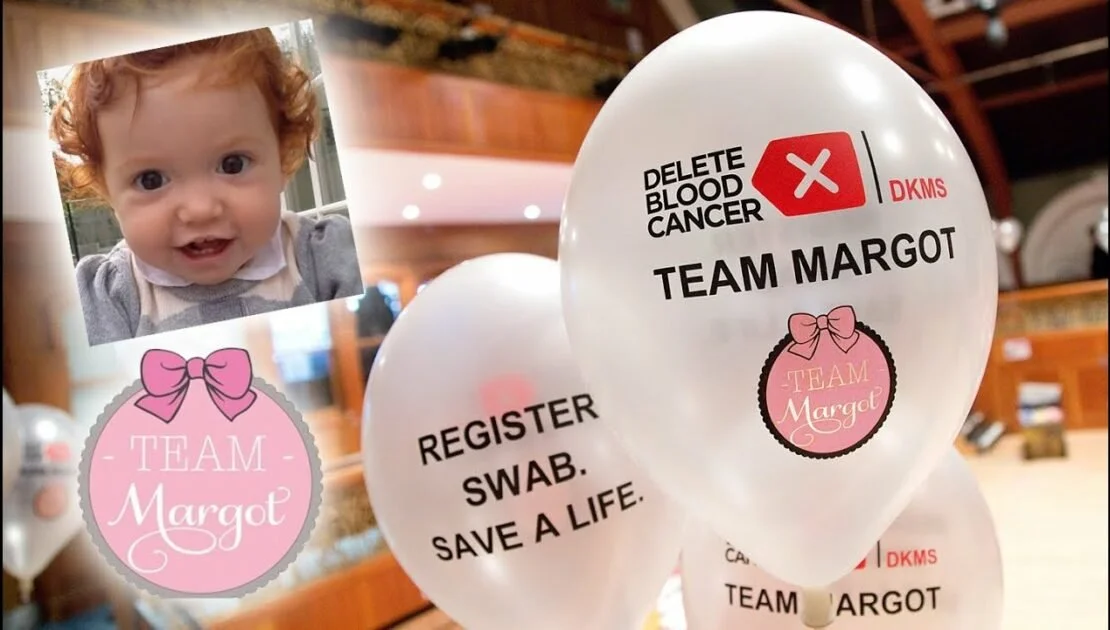
We took part as part of Team Margot Atlantic Rowers, named after Margot Martini, a little girl we knew who had had blood cancer and needed a stem cell transplant. Unfortunately, she didn’t survive but she did have a stem cell donation which gave her valuable extra time with her family.
Margot’s father Yaser set up the rowing team as part of a campaign to drive he fronted awareness of the global stem cell register.
Having met Yaser and his wife Vicki, I was keen to help. That was really the motivation for taking part in the Atlantic row under the umbrella of Team Margot Atlantic Rowers.
Meeting my first inspirational ocean rower
How did I get the idea to row an ocean? Well, back in 1997 when I was kayaking at Royal Canoe Club in Teddington, Middlesex, when I was part of the GB canoeing team. I had begun to step aside from competitive sport, and was bringing up my children and trying to make my way in the world as a financial journalist.

Kayaking at Royal Canoe Club in Teddington, Middlesex - That’s me in the front (bow) position.
I met a friend at the club, the adventurer Jock Wishart, who had taken part in the inaugural Atlantic rowing competition that year with a friend in a self-made boat. I spoke to him when he came back from Barbados (the then finish), and was full of admiration for what he’d done. We had a long conversation and I was really hooked.
I made a mental note that an ocean row this was an event I wanted to do but I couldn’t do it at the time for family reasons. However, I collected every piece of information that I could find and over the years I amassed a large file of material.
Fast forward to the 2000s when I was organising the Devizes to Westminster Canoe Race, I bumped into a competitor called Martin Beaumont. I didn’t know him at all but he introduced himself and said we had coincidentally been at the same school, although a few years apart and we hadn’t known each other there. We had a good chat about canoeing and exchanged contact information.
We didn’t really stay in touch but another 15 or so years later, I received a random email from Martin asking if by chance I knew anyone who wanted to take part in the Atlantic rowing race. He had put a crew together but one of the participants had dropped out. Of course, I still had this immense file of Atlantic rowing information and was still vaguely planning to take part at some point.
Family support is important
A quick conversation with my then girlfriend, Kate, who had always known of my ambition to row the Atlantic, and within 24 hours of receiving Martin’s email I’d responded to say I wanted to take part.
I was living in Switzerland by then so I flew back to London a couple of weeks later to meet Martin and his friends Hamish Miller, Calum Barclay, and team manager Yaser Martini. We met in a pub in West London, got to know each other over a few beers and a meal. After many beers and a spot of table football at 3am in Martin’s dining room, we decided we would give the Atlantic row a go.
Barely a fortnight later, Calum unfortunately had to drop out so we became a trio – and remained one because despite great efforts to find a replacement rower for him, we couldn’t find any takers.
There were plenty of obstacles in our way, not least costs. It costs a ballpark £150,000 to get to the start. We had a sponsor, Orchard Pig Cider, who kindly agreed to loan us a new boat but that was it, so we had to self-fund the rest of the venture.
The main challenge was therefore financial, scrabbling together £30,000 each to take part. It was a lot of money, in fact my life savings at that point, but we were so keen to take part I think we would have done whatever it took to make it to the start line.
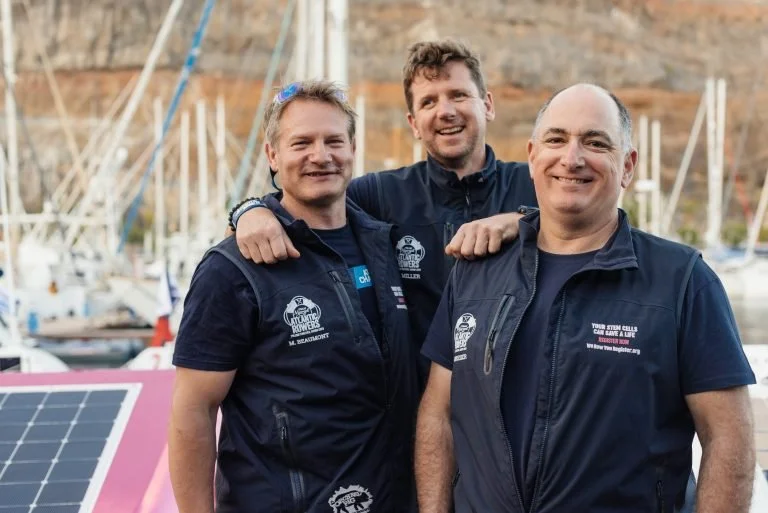
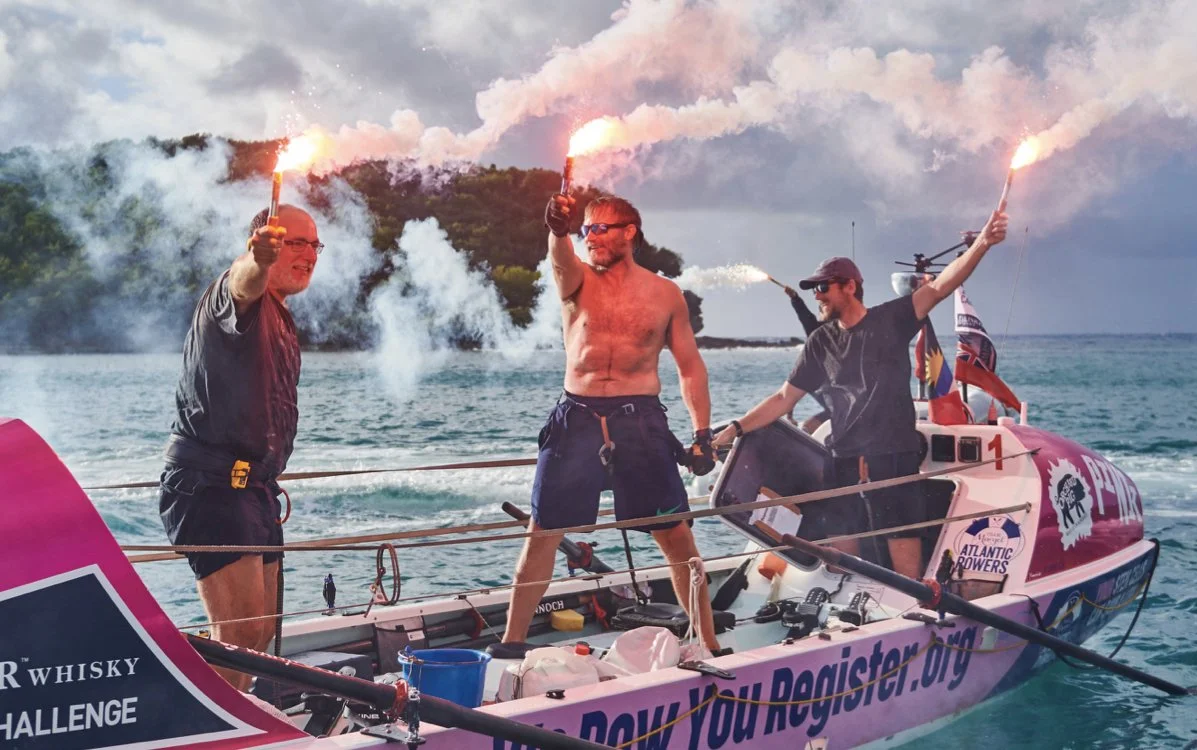
L to R: Team Margot - Martin Beaumont, Hamish Miller, and me (Guy Dresser)
So, what’s an Atlantic crossing in a 25-foot-long rowing boat like?
It’s amazing. Scary at times, sure. Exhilarating as you surf down big waves and tough when you’re battling rough conditions.
But overall, being in a small boat in the middle of an ocean is remarkable. What’s there to see apart from a long stretch of empty ocean all the way to the horizon? Well, the main thing is the wildlife for sure. You are never properly alone. We were surrounded by dolphins within a few days of leaving the Canary Islands. Barely a week later, a whale surfaced right next to us. It was a magnificent creature, it could have done us a lot of damage but it was really just curious, I got the sense it was checking us out. And we also had a shark sighting, marlins whizzing past us in waves, it was incredible.
The second great thing about an ocean row is the night sky. You get to see the stars, the milky way, everything. You can turn off the navigation lights for a while and look up – it’s a life affirming vista…not something you can ever see on land due to all the light pollution.
The third highlight of rowing across the Atlantic was the freedom to be in the moment, free of deadlines, meeting requests, emails, all that sort of nonsense that is part and parcel of 21st century life. Sure, we had a satellite phone to stay in contact with our loved ones but all we had to do was focus on rowing 2 hours on and off, eating enough to keep going and keeping your body in good condition, cleaning the salt off as efficiently as you can, plus keeping your spirits up.
What does rowing an ocean do to your body?
Keeping going is hard at times. There’s no question that rowing an ocean takes its toll on you. We were fortunate, we all had a bit of seasickness to start, blisters and so on., but not too much else. Hamish got some unpleasant boils on his feet because he wasn’t rowing with socks and so his shoes rubbed against his feet. We had a few other minor injuries, I got thrown around the cabin at one point and cut my head, but Martin patched it up. We had a lot of fatigue, but nothing much to stop us rowing.
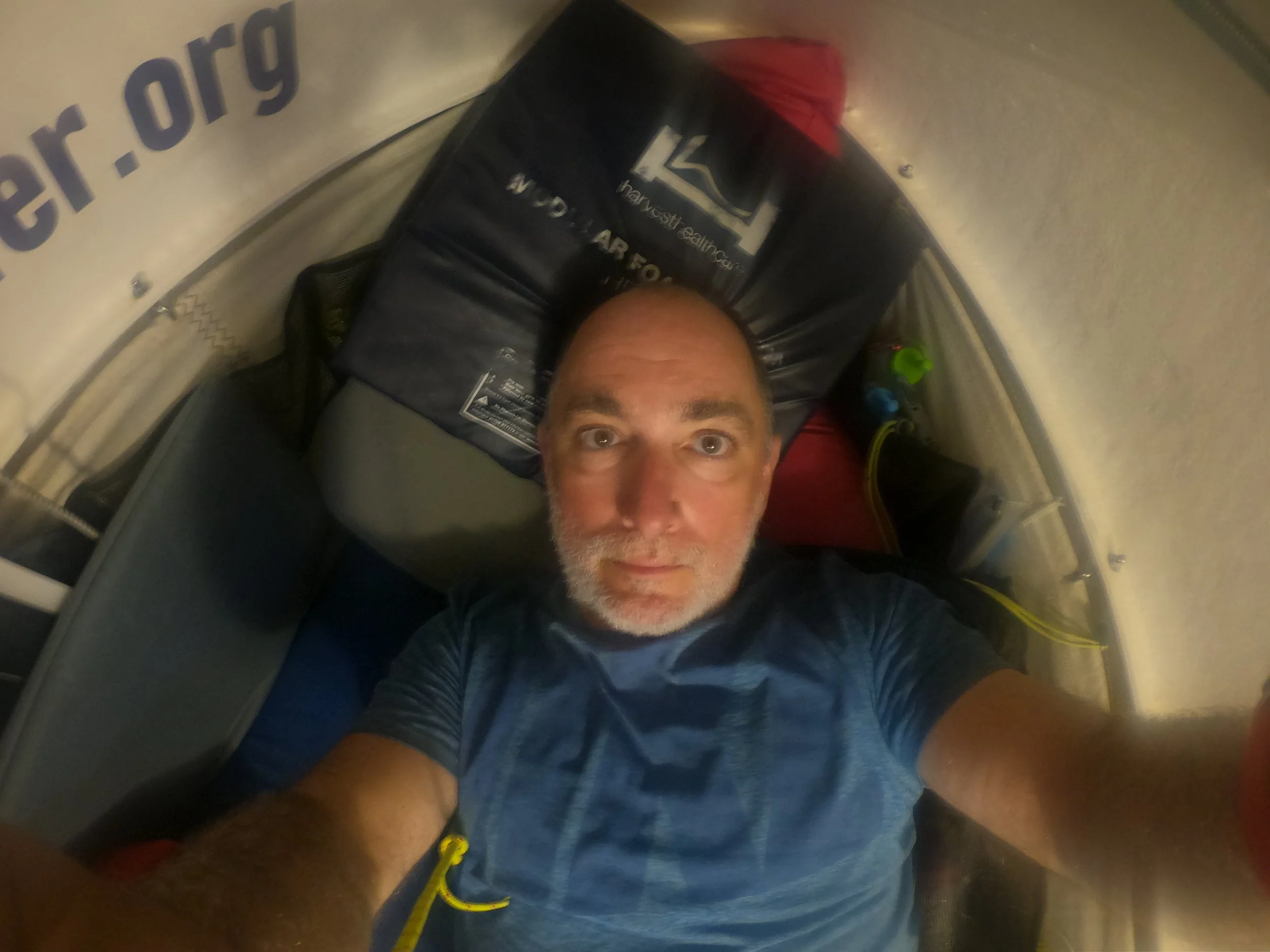
Loss of sleep is difficult to cope with and I’d say it’s the main problem people must cope with. Sleep deprivation does strange things to the mind. I had a lot of hallucinations and strange thoughts, the others would nod and roll their eyes when I was talking, I didn’t even realise I was saying very weird things. All the thoughts you have when you’re hallucinating may seem normal to you, but you are so profoundly fatigued you will say and think peculiar things. I can still remember believing I was rowing through fields, through streets that I could remember as a child. They seemed incredibly real to me but clearly, I was on another planet! Tied in with the sleep deprivation is just the relentless nature of the row. It is just exhausting to be rowing, day in, day out, for weeks.
Jock Wishart told me before I went that I had to be as prepared as possible because if you have any weaknesses, the ocean will find them out. And he was right.
My biggest problem was I was not really a rower before the crossing. I’d done a lot of rowing machine training but it was a very new discipline just the same. If I’d had a history of rowing like Hamish, I might have found it easier to cope with.
Is it normal to doubt yourself?
Mentally it is tough. You’re away from your loved ones. You’ve got no one to turn to for help except yourselves when things go wrong. If you have a problem, you have got to fix it. I never doubted I would get across and I had great confidence in my rowing partners. Yet, when things break, you have to pool your knowledge and skills to mend things and move forward. There was stress at those kinds of times, and that was tough, but there’s great satisfaction in solving problems together.
What do you miss at sea? When you’re rowing 2 hours on and off is that you get very grubby. Salt gets everywhere and it’s hard to stay clean. Salt must be washed off, and I think the ability to have a nice hot shower and the chance of putting some clean clothes on, these were the things I missed most. It’s manky in the cabins. We had a bean bag in the cabin, which was fantastic but a mattress would have been marvellous too. Sadly, we didn’t have one.
If you work yourself hard in training, you’ll be grateful that you did.
For me, training for the row started around a year before we set off for the Canary Islands. I had a relatively short space of time, just 12 months, to get fit once I was accepted onto the team. I was overweight, living quite a sedentary life when I started, so I had to make a huge effort to lose weight. I did a lot of cycling, kayaking, and rowing machine. I got to know my Concept 2 very well! I didn’t, however, go to the gym much and bulk up. As someone in my 50s, my strength training days in the gym are well behind me. I used to get injured a lot doing heavy weights when I was in the British canoeing team, and while they’re an effective way to get stronger, I found the injuries left me missing a lot of water sessions, so I decided to focus on just rowing, with a mix of anaerobic and aerobic training to drive me forwards.
By the time I got to the row, I was pretty good at rowing 2 hours and that’s what it was all about. I’m not sure going in the gym would have done too much more for me. I have seen some very muscular rowers, and if that works for them, that’s fine. But for me, I knew I just had to get good at banging out two-hour rows on the ergometer.
Can you prepare for everything you’ll face on an ocean row?
If you can get to the start without getting injured, that’s a good thing. You really don’t want niggling injuries when you’re out at sea if you can help it.
We were lucky on the row not to suffer serious problems. Sea sickness really hit me hard early on and I couldn’t eat much. After 3 days of barely eating, I crashed out and was roundly told off by Hamish. I couldn’t bear the high calorie food we had to eat, it was awful stuff, lots of oily food, 1,000 calorie meals of which you need to eat 3 or 4 every day. And you can’t survive on wine gums alone, unfortunately. Hamish declared that I had to stop thinking of the food as ‘fine dining,’ it’s just fuel and you need a lot of it. Getting your sea legs takes a few days, not much you can do about it until that passes.
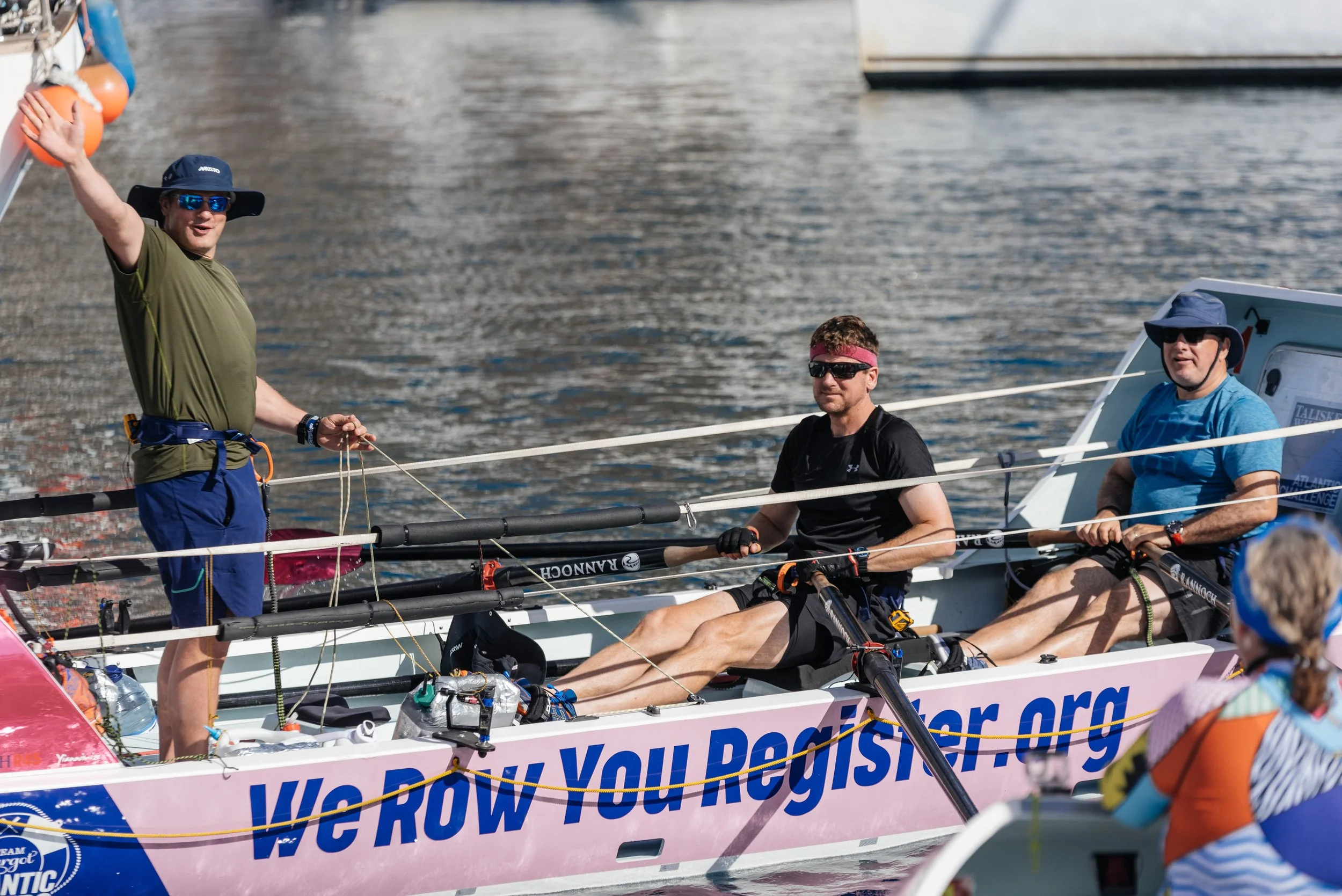
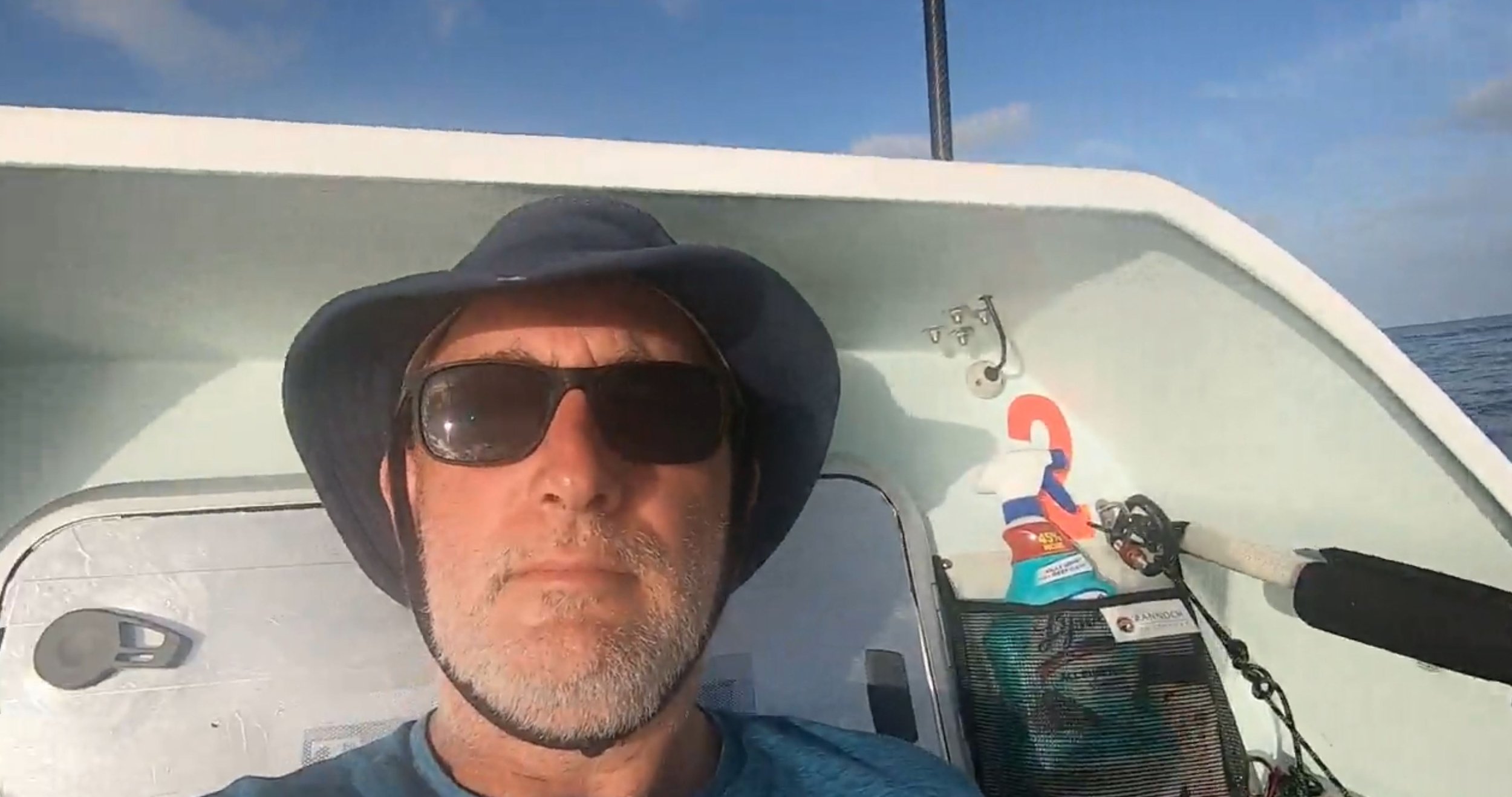
What was unexpectedly difficult? One of the most problematic things about rowing the ocean is that after 30 days your Spotify account will stop working (this was in the pre Starlink days). I wish I’d taken the time to sort out my music better. It was interesting to hear my rowing partners’ music choices, I felt they had a lot of adult music on their Spotify lists, especially Pink Floyd, Dire Straits…a little less of the disco music that I loved.
The post-row period was difficult too, and that was not something I’d planned for. We landed in Antigua at the end of January 2020. Within weeks the pandemic took hold and lock downs started. This was a real shame because it meant the three of us never got together to discuss the row, we’ve still not had the opportunity to meet and talk about what we did. I felt that the others moved on very quickly but I had a profound sense of anti-climax, not helped by Covid. I wish I’d had a chance to catch up with other rowers but in the end, I was stuck at home in land-locked Switzerland and had a real case of the blues. Coming back from Antigua overall I didn’t feel brilliant, and even after a few months found myself wondering what it had all been about. It really helps to talk to other people, especially rowers, to realise you should be pleased with the immense achievement you’ve done.
What would I advise other ocean rowers to do?
Well, vary your food! In your first few days you can take anything you like. I’d recommend taking as much fresh food as you can – we certainly wished we’d taken a lot more because you have weeks to eat the reconstituted stuff. In the supermarkets in La Gomera they were selling whole Parma Hams and we joked about taking one. It would have been a few extra kilos but so what. I think that was perhaps a missed opportunity.
Other advice? Keep an eye on your battery. We had lithium batteries and we let them go too low, it cost us two days of having to heave to and wait for power because we couldn’t navigate, couldn’t steer and that was a little tedious to lose all that time.
Best advice overall? As participants you’ve really got to know your own limitations. And your rowing team partners. Time spent socialising is not time wasted, whatever people say about drinking in pubs. We did a fair bit of it and it was worthwhile.
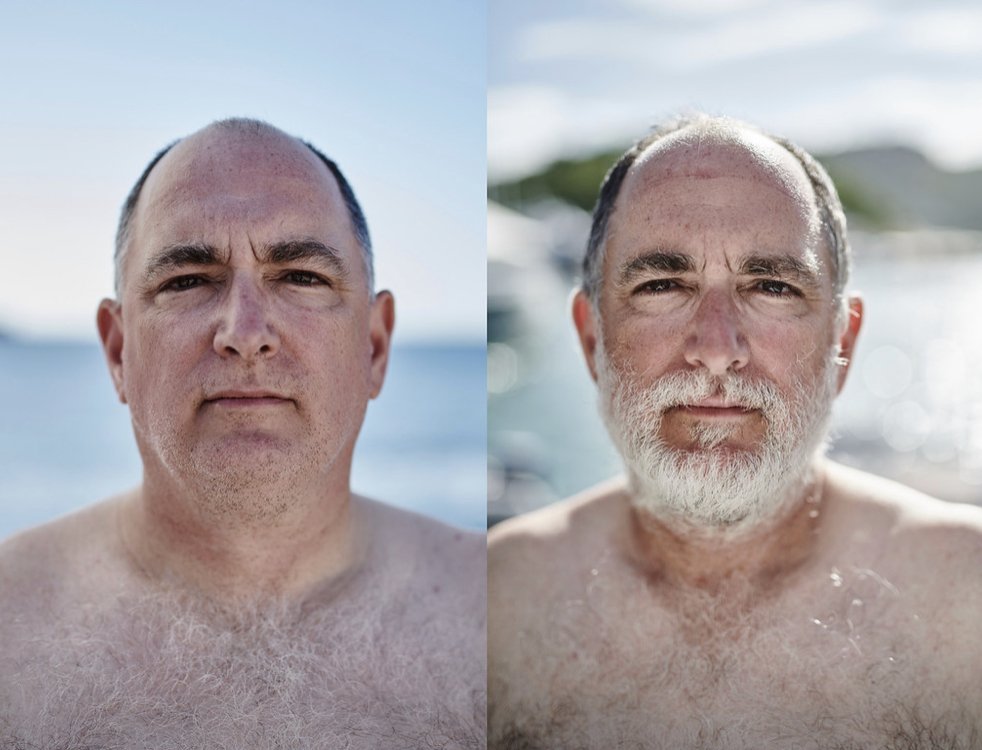
I got to know Martin and Hamish pretty well during the year we trained before but the dynamic was always 2+1, they’d known each other 25 or even 30 years and that was a very solid friendship. We had some difficult moments but in the context of a 39-day crossing, they were insignificant. Overall, we got on well. Knowing what makes you all tick is important and time spent doing that is all part of your training.
So, why do another ocean row?
What will a solo row across the Atlantic Ocean as part of the World’s Toughest Row do for me? I felt I had unfinished business after the race. I was a late entrant to the party, I wasn’t involved in much of the detailed planning, the navigation, managing the boat or other technical matters. My responsibilities were limited to cleaning salt off the solar panels and making water. I feel there are elements of the crossing where I still have to prove myself.
I was very much ‘just’ a rower with a couple of low-key jobs on the boat. I feel I still have something to prove – and I’d like to raise proper money this time, not just encourage people to sign up to the stem cell register but to try to help raise awareness of how important it is and to help defray the £40 or so it costs to swab a volunteer and get their medical details on the register.
What’s the charity all about?
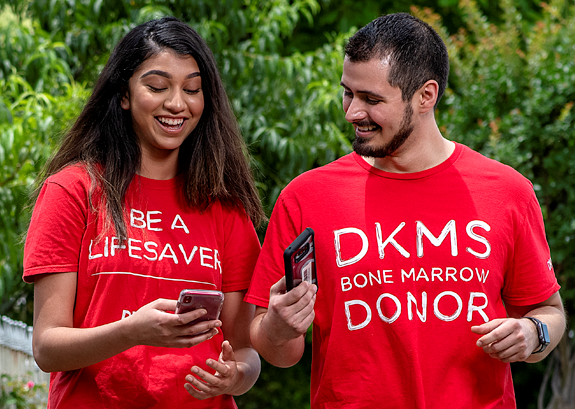
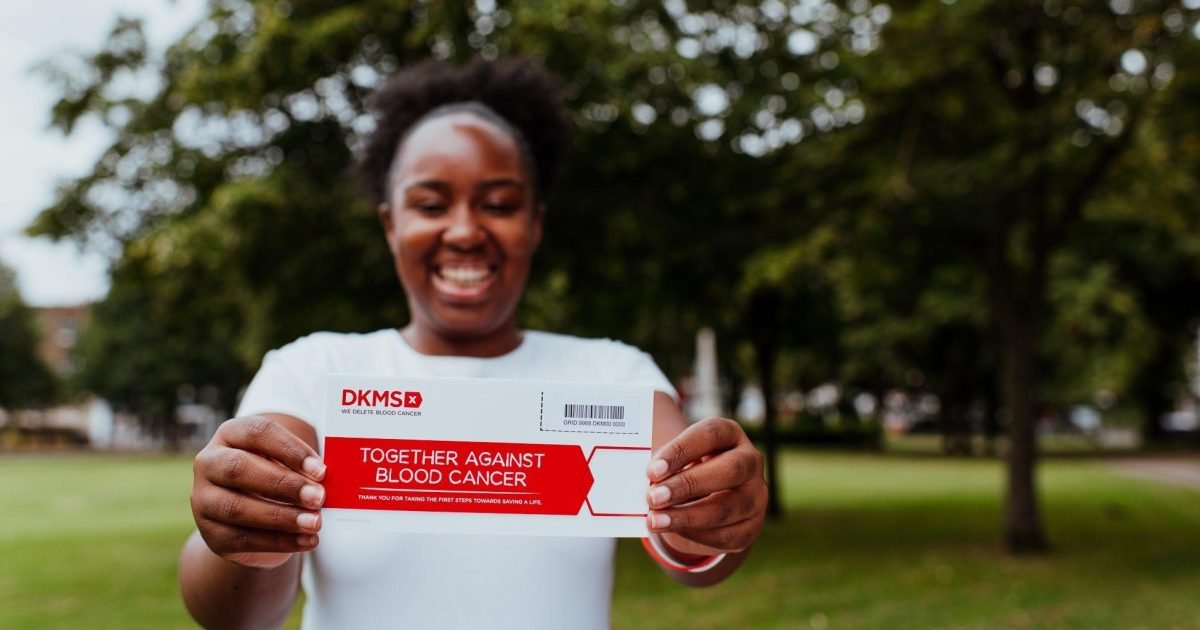

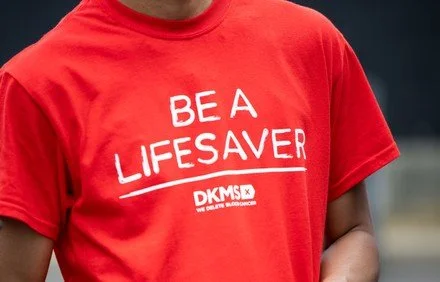
DKMS, my chosen charity, does brilliant work and I’m so proud to be supporting them.
I would love to say that if I managed to persuade 10,000 people to sign up to the register, it could save x number of lives. The reality is, however, that there is no single ratio of donors to transplants because the number of successful transplants depends on finding a suitable, available donor for each patient.
Finding a match varies by factors like ethnic background and the global registry size. However, with a global network of registries, around 75% of patients who don't have a matched relative could potentially find a matched volunteer donor in a stem cell registry. For example, in 2023, Switzerland – where I still live – performed 199 unrelated donor transplants, using donations from 23 different countries.
The chance of finding a match is higher when there is a larger and more diverse registry. The Institute for Justice notes that a patient's chance of finding a donor match can range from 29% to 79% depending on their ethnic background.
Raising awareness of the global stem cell register is important to me. There are lots of good causes, of course, but this is a particularly brilliant one. If you meet someone who has lost a young child to blood cancer, it is not something you forget. And imagine if your stem cells actually saved someone’s life – how incredible would that feel? Donors are heroes, in my opinion and I want to go find more of them.
I’m really looking forward to my solo Atlantic row. In 2027. More people climb Everest every year than have ever rowed an ocean. And barely 250 people have ever rowed the Atlantic solo. I don’t think there are many challenges in the world today which rival this.
My top priority for 2026 is simple: raise the funds I need to reach the start line. Your sponsorship could be the reason I get there.